Vichy Mineral 89 Review: A Booster, Not a Moisturiser
A researched Vichy Mineral 89 review: hyaluronic and polyglutamic acid, what the volcanic water claim is worth, how to read the brand percentages, and cheaper options.
Heads up: this post has affiliate links. We may earn a small commission if you buy something, at no extra cost to you. We only link to stuff we'd actually tell a friend about. Prices shown are approximate and change often; check the retailer for current pricing.
Buy Mineral 89 if you want a fragrance-free hydrating layer that goes under everything and suits reactive skin, including skin recovering from a retinoid adjustment period. Skip it if you expect it to work as a moisturiser on its own, because it is a humectant booster with almost no occlusive support, and skip it if you want value, because the same humectants cost a third of this elsewhere.

A 2.5 oz fragrance-free hydrating booster with hyaluronic acid, polyglutamic acid and mineral-rich volcanic water, accepted by the National Eczema Association per the brand.
Best for: A daily hydrating layer under moisturiser and sunscreen
Check price on Amazon →Vichy positions Mineral 89 as a booster rather than a moisturiser, which is an unusually honest bit of category placement. It is built on hyaluronic acid for immediate moisture, polyglutamic acid to help hold it, and the brand’s mineral-rich volcanic water, and it is fragrance-free and stated to be accepted by the National Eczema Association.
Polyglutamic acid is the more interesting of the two humectants and the one people know least about. It holds substantially more water than hyaluronic acid by weight and forms a light film on the surface, which is why formulas pairing the two tend to feel like they last longer than a plain hyaluronic acid serum. That is a real formulation advantage rather than a marketing one.
The volcanic water is the part to be relaxed about. Mineral content in thermal water is a brand story, and there is no strong evidence it does anything a well-formulated humectant base does not. Our hyaluronic acid vs glycerin comparison is the useful context for what any of these ingredients actually do.
Specifications
| Spec | Detail |
|---|---|
| Size | 2.5 oz |
| Key ingredients | Hyaluronic acid, polyglutamic acid, Vichy volcanic water |
| Format | Lightweight booster serum |
| Formulation | Fragrance free, suitable for all skin types including sensitive |
| Brand testing claims | Clinically tested by 325 dermatologists and accepted by the National Eczema Association |
| Usage | Apply to cleansed damp skin, before moisturiser |
Specifications above come from Vichy’s published product information. The efficacy percentages on the packaging are the brand’s own study figures and are described below.
What it does well
- Pairing polyglutamic acid with hyaluronic acid is a genuinely better arrangement than hyaluronic acid alone, because the film-forming action slows the water leaving again.
- Fragrance free with a simple profile makes it one of the safer options for reactive skin, eczema-prone skin and skin in a retinoid adjustment period.
- The 2.5 oz size is generous for a serum, so the cost per use is better than the shelf price suggests.
- It layers under anything without pilling, which is the entire job of a booster and is not as common as it should be.
How to read the numbers on the box
Vichy publishes figures including hydration visibly improved by 100 percent, 93 percent feeling instant hydration from a 53-subject self-assessment, and 81 percent improved evenness from a 42-subject clinical test after two months. These are small, brand-run studies, and a self-assessment result from 53 people is a marketing figure rather than evidence. That does not make the product bad. It means the numbers should not be doing the persuading.
It is not a moisturiser. Humectants draw water into the surface, and without an occlusive layer over the top that water can leave again, particularly in dry air. Used alone on dry skin it can leave things feeling tighter, not better, which is the most common complaint about every product of this type.
The volcanic water is a brand asset rather than a demonstrated active. Judge the formula on its humectants.
At under $50 for a humectant serum it is priced well above the several excellent hyaluronic acid serums available for under $12, and the polyglutamic acid is the main thing you are paying extra for.
It does not treat eczema or any other condition. Acceptance by a patient organisation is about tolerability, not treatment, and persistent eczema is something a doctor should be managing.
What owners consistently report
Published owner reviews are consistently positive on texture and tolerability, and a large share come from people using it alongside a retinoid or after a procedure, where a simple fragrance-free hydrating layer is exactly what is wanted. Reviewers frequently describe it as the product they reach for when their skin is unhappy, which is a specific and believable use case.
The recurring criticism is that people expecting a moisturiser find it insufficient, which it is, because that is not what it is. The second theme is price relative to cheaper hyaluronic acid serums, and reviewers who have used both often report the difference being real but small.
Who it suits
- Reactive, sensitised or eczema-prone skin that needs simple and fragrance free.
- Anyone in a retinoid adjustment period wanting a buffering layer.
- People who change moisturisers by season and want a constant base layer.
Who should skip it
- Anyone looking for a single-product moisturiser.
- Dry skin in dry climates, which needs occlusives more than humectants.
- Value-focused buyers, since cheaper hyaluronic acid serums cover most of the ground.
Alternatives worth considering
Three alternatives, each better at a stated thing.
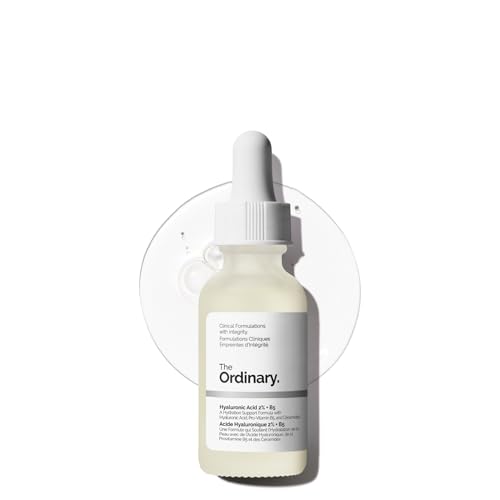
The Ordinary
Hyaluronic Acid 2% + B5 Serum
Better on value by a wide margin for the same core humectant idea, though without the polyglutamic acid that helps the Vichy hold longer.
Best for: The same job for a third of the money
Check price on Amazon →Our hyaluronic acid explainer covers why molecular weight and layering technique matter more than brand, and can I use hyaluronic acid every day answers the frequency question.
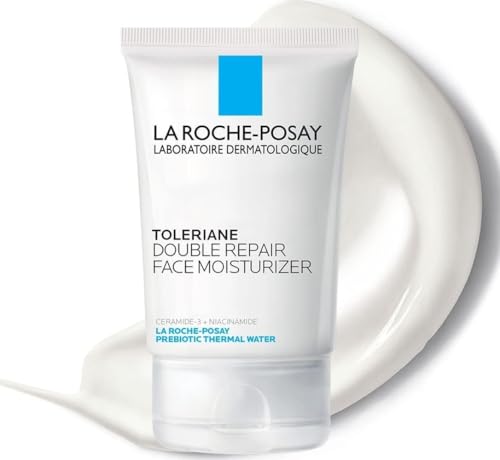
La Roche-Posay
Toleriane Double Repair Face Moisturizer
Better if what you actually need is a moisturiser, since ceramides and niacinamide give you the occlusive support a booster deliberately lacks.
Best for: Anyone who wants one product instead of two
Check price on Amazon →
Better for oily skin that wants hydration and a light moisturiser in one step rather than adding a separate booster layer.
Best for: Oily skin combining the two steps
Check price on Amazon →Frequently asked
Is Mineral 89 a moisturiser? +
No, and Vichy does not claim it is. It is a humectant booster designed to go under a moisturiser. Used alone, particularly on dry skin or in dry air, the water it draws to the surface can evaporate again and leave skin feeling tighter. Apply it to damp skin and seal it with a moisturiser.
What is polyglutamic acid and is it better than hyaluronic acid? +
It is a humectant that holds considerably more water by weight than hyaluronic acid and forms a light film on the surface, which slows evaporation. It is not a replacement for hyaluronic acid so much as a good partner for it, and formulas containing both tend to feel longer lasting.
Are the percentages on the box meaningful? +
Not very. They come from small brand-run studies, and figures based on how 53 people said their skin felt are self-assessment rather than measurement. The product can be good and the numbers can still be marketing. Judge it on the formula and on whether it suits your skin.
Can I use it with retinol? +
Yes, and this is one of its better uses. A simple fragrance-free humectant layer buffers a retinoid nicely. Apply it on damp skin, let it settle, then apply your retinoid, or apply the retinoid first and this after if you need more cushioning. Follow with a moisturiser either way.
Does volcanic water do anything? +
There is no strong evidence that the mineral content of thermal water does anything for skin that a well-formulated base does not. It is a brand story. The hyaluronic acid and polyglutamic acid are the parts of this formula worth paying attention to.
Related reading
- Hyaluronic acid vs glycerin
- What is hyaluronic acid
- Best hyaluronic acid serums
- LANEIGE Water Bank gel review
- La Roche-Posay Toleriane Double Repair review
- SkinMedica HA5 Lip System review
Researched from the manufacturer’s published product information, the published ingredient literature and the consensus of verified owner reviews. We have not tested this product hands-on. This is researched information, not professional medical advice: a dermatologist or your own doctor is the right person to ask about your skin, and anyone who is pregnant, breastfeeding or trying to conceive should check with a clinician before starting a new active ingredient. Prices and formulations change, so confirm before buying. As an Amazon Associate we earn from qualifying purchases, at no extra cost to you.
Keep reading
All articles →guides
Drunk Elephant Virgin Marula Oil Review: One Ingredient, under $50
A researched Virgin Marula Luxury Facial Oil review: what a single-ingredient antioxidant oil does, why oils do not hydrate, and cheaper single-ingredient options.
guides
SkinMedica HA5 Lip System Review: Under $100 for 0.05 oz
A researched HA5 Smooth and Plump Lip System review: what a topical lip plumper actually does, how long it lasts, why the size matters, and cheaper things that work.
guides
111SKIN Rose Gold Mask Review: Under $50 a Face, and Worth It When?
A researched 111SKIN Rose Gold Brightening Mask review: what a hydrogel sheet mask can and cannot do, why the gold is decorative, and when under $150 for five is defensible.
Premium Beauty
More Premium Beauty picks
If money isn't the object, these are our Premium Beauty favorites.
CurrentBody
Under $500LED Light Therapy Face Mask Series 3
750 LEDs and 6 wavelengths, chosen in the MyDose app.
Buy on Amazon →Dr. Dennis Gross
Under $500DRx SpectraLite FaceWare Pro
Rigid shell. 100 red + 62 blue LEDs. Sephora's bestseller.
Buy on Amazon →Omnilux
Under $500Men LED Face Mask
Omnilux's in-stock flexible LED face mask (the Contour Face is out of stock on Amazon).
Buy on Amazon →Therabody
Under $500TheraFace PRO
Microcurrent, red light and percussive therapy in one handheld. Replaces three single-purpose gadgets.
Buy on Amazon →Therabody
Under $500TheraFace PRO
Red light + microcurrent + percussive + cleansing. Sci-fi gadget.
Buy on Amazon →Augustinus Bader
Under $500The Cream
TFC8 tech. The one celebrities keep talking about.
Buy on Amazon →