Hyaluronic Acid vs Glycerin: Which Humectant Actually Hydrates?
Glycerin is the cheaper, better studied humectant and it works in dry air. Hyaluronic acid is bigger, trendier, and needs something sealed over it.
Heads up: this post has affiliate links. We may earn a small commission if you buy something, at no extra cost to you. We only link to stuff we'd actually tell a friend about. Prices shown are approximate and change often; check the retailer for current pricing.
Glycerin is the better humectant for most people and it costs less. It is smaller, more thoroughly studied, and it pulls water in even when the air is dry. Hyaluronic acid works well in humid air and, in a dry climate with nothing sealed over it, can leave skin feeling tighter than before. Whichever you use, apply it to damp skin and put a moisturiser on top.
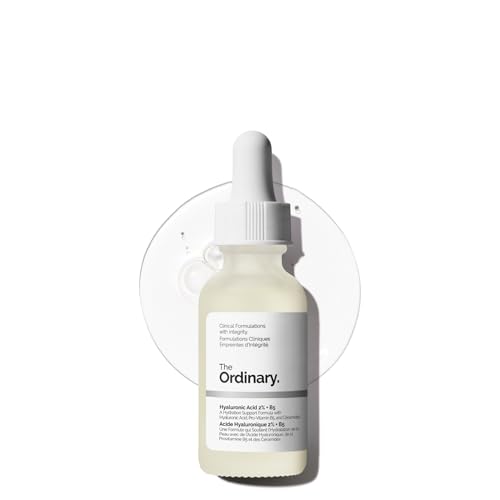
The Ordinary
Hyaluronic Acid 2% + B5
Multiple molecular weights plus B5, at a price that makes the debate academic.
Best for: Humid climates, layering under a moisturiser
Check price on Amazon →
The Ordinary
Natural Moisturizing Factors + Beta Glucan
A glycerin-led hydrator that works in dry air and doubles as a light moisturiser.
Best for: Dry climates, sensitive skin, low budget
Check price on Amazon →Humectants attract water. That is the whole category, and the two you see on every label are hyaluronic acid and glycerin. The marketing budget is almost entirely behind one of them, and the research history is mostly behind the other.
The practical rule that matters more than the ingredient: a humectant on dry skin in dry air will pull moisture from wherever it can find it, which includes deeper in your own skin. Apply to damp skin, then seal with a moisturiser. That single step does more than choosing between these two.
Hyaluronic acid vs glycerin at a glance
| hyaluronic acid serum | glycerin hydrator | |
|---|---|---|
| Molecule size | Large, mostly sits on the surface | Small, penetrates the outer layer |
| Works in dry air | Less well | Yes |
| Research history | Newer, mostly cosmetic | Decades, well established |
| Can feel tight after | Yes, if not sealed | Rarely |
| Cost | Low | Lower |
| Needs a moisturiser on top | Yes | Helpful, not essential |
Choose the hyaluronic acid serum if…
You live somewhere humid, you like the plumped surface feel, and you always follow with a moisturiser. Multiple molecular weights sit at different depths in the outer layer and the immediate cosmetic effect is real. Apply it to skin that is still damp from cleansing, never to a bone-dry face, and seal it. Used that way it is a perfectly good, very cheap hydrating step.
Check the hyaluronic acid serum on Amazon
Choose the glycerin hydrator if…
You live somewhere dry, your skin gets tight, or you want the option with more evidence behind it. Glycerin is the humectant dermatology has been studying for decades, it is small enough to work in the outer layer rather than only on it, and it does not depend on ambient humidity to behave. It is also the one already doing most of the work in the moisturiser you own.
Check the glycerin hydrator on Amazon
If your skin is still dry
Persistent dryness that does not respond to a humectant plus a moisturiser is often a barrier problem rather than a hydration problem, and over-cleansing or over-exfoliating is the usual cause. Dryness with flaking, itching, redness or cracking that lasts more than a few weeks is worth showing to a dermatologist, since eczema and other conditions need treatment rather than a different serum.
Frequently asked
Is hyaluronic acid or glycerin better? +
Glycerin has the longer research history, works in dry air and costs less. Hyaluronic acid gives a pleasant immediate plumping effect and performs well in humid conditions. Neither is a bad choice, and most decent moisturisers contain glycerin whether or not it is on the front of the bottle.
Can hyaluronic acid dry your skin out? +
It can feel that way in a dry environment. A humectant pulls water from the nearest available source, and if the air is dry that source is your own skin. Applying to damp skin and sealing with a moisturiser prevents this, and it is the step most people skip.
Do I need both? +
No, though there is no harm in it and many products contain both. Layering two humectants adds less than adding a moisturiser over the top of one. If you own a hyaluronic acid serum and your skin still feels tight, the missing step is almost always the occlusive layer.
Is hyaluronic acid safe in pregnancy? +
Topical hyaluronic acid and glycerin are generally considered low risk, unlike some other skincare actives where pregnancy contraindications do exist. Anyone who is pregnant or breastfeeding should still run their full routine past their doctor or dermatologist rather than relying on a general statement.
Related guides
Comparison based on published manufacturer specifications and the general consensus of owner reports. We have not tested these products side by side. Confirm current prices, sizes and specifications before buying. As an Amazon Associate we earn from qualifying purchases, at no extra cost to you.
Keep reading
All articles →guides
Snail Mucin vs Hyaluronic Acid: Which Hydrating Layer?
Snail mucin is a mixed filtrate that hydrates and leaves a tacky film; hyaluronic acid is a single humectant. Compare texture, evidence and which layers better.
guides
Azelaic Acid vs Niacinamide 2026: Which Wins for Redness, Pores, and Dark Spots?
Azelaic acid vs niacinamide head-to-head: azelaic wins for melasma, rosacea, and stubborn PIH; niacinamide wins for pores, oiliness, and barrier repair. Full breakdown + how to layer both.
guides
Humidifier vs Facial Mist: Which Fixes Dry Skin in Winter?
A humidifier raises the humidity your skin sits in all night; a facial mist evaporates and can leave skin drier. Compare mechanism, cost and how to use a mist properly.
Premium Beauty
More Premium Beauty picks
If money isn't the object, these are our Premium Beauty favorites.
CurrentBody
Under $500LED Light Therapy Face Mask Series 3
750 LEDs and 6 wavelengths, chosen in the MyDose app.
Buy on Amazon →Dr. Dennis Gross
Under $500DRx SpectraLite FaceWare Pro
Rigid shell. 100 red + 62 blue LEDs. Sephora's bestseller.
Buy on Amazon →Omnilux
Under $500Men LED Face Mask
Omnilux's in-stock flexible LED face mask (the Contour Face is out of stock on Amazon).
Buy on Amazon →Therabody
Under $500TheraFace PRO
Microcurrent, red light and percussive therapy in one handheld. Replaces three single-purpose gadgets.
Buy on Amazon →Therabody
Under $500TheraFace PRO
Red light + microcurrent + percussive + cleansing. Sci-fi gadget.
Buy on Amazon →Augustinus Bader
Under $500The Cream
TFC8 tech. The one celebrities keep talking about.
Buy on Amazon →