LANEIGE Water Bank Blue Hyaluronic Gel Review: Cooling, Light, Temporary
A researched LANEIGE Water Bank Blue Hyaluronic gel moisturizer review: what a gel moisturiser does for oily skin, the mint question, and when you need a cream instead.
Heads up: this post has affiliate links. We may earn a small commission if you buy something, at no extra cost to you. We only link to stuff we'd actually tell a friend about. Prices shown are approximate and change often; check the retailer for current pricing.
Buy the Water Bank gel if you have oily or combination skin that is dehydrated rather than dry and you want a light moisturiser that does not feel like anything. Skip it if your skin is genuinely dry, because a gel this light will not hold moisture in overnight, and skip it if mint and cooling sensations irritate you, since the cooling is a formulation feature rather than an accident.

A lightweight hydrating gel with blue hyaluronic acid, mint leaf extract and betaine, hypoallergenic and dermatologist-tested, aimed at normal to oily skin.
Best for: Oily and combination skin that is dehydrated, not dry
Check price on Amazon →LANEIGE describes this as a cool, refreshing gel with soothing hydration, hypoallergenic and dermatologist-tested, suitable for sensitive skin and aimed at oily to combination types. The highlighted ingredients are blue hyaluronic acid for long-lasting hydration, mint leaf extract for a cooling effect, and betaine as a gentle humectant.
The distinction that makes or breaks this purchase is dryness versus dehydration. Dry skin lacks oil and needs lipids and occlusives. Dehydrated skin lacks water and needs humectants and something to slow evaporation, and it happens to oily skin constantly. A gel moisturiser is built for the second case and is genuinely poor at the first, and most people who dislike gel moisturisers turn out to have been in the first camp.
If you want to understand the ingredient itself rather than the product, what is hyaluronic acid is the explainer, and hyaluronic acid vs glycerin covers the humectant that does much of the same job for pennies.
Specifications
| Spec | Detail |
|---|---|
| Format | Lightweight hydrating gel |
| Key ingredients | Blue hyaluronic acid, mint leaf extract, betaine |
| Skin types | Normal, combination and oily, per the brand |
| Stated concerns | Dryness and dullness |
| Testing claims | Hypoallergenic and dermatologist-tested, per the brand |
Specifications above come from LANEIGE’s published product information for the Water Bank Blue Hyaluronic gel.
What it does well
- The texture is the point, and it is very good: it disappears into skin without a film, which is what oily skin wants from a moisturiser.
- Multiple humectants rather than just hyaluronic acid, since betaine does similar work and is well tolerated.
- It layers under sunscreen and makeup without pilling, which is where heavier moisturisers cause trouble in the morning.
- Cooling gels are pleasant on skin that feels hot or reactive, and pleasant products get used.
Where a light gel runs out of road
Humectants pull water in and then need something to stop it leaving. In dry air, or on genuinely dry skin, a humectant-heavy gel with little occlusive support can leave skin no better hydrated by morning. That is a limitation of the format rather than of this product, and it is why gel moisturisers underperform in winter.
Mint leaf extract provides the cooling, and cooling and tingling ingredients are a recognised source of irritation in sensitive skin. Hypoallergenic is a marketing term rather than a regulated standard. If your skin reacts to sensation-producing ingredients, the very thing people like about this product is the thing that will bother you.
Blue hyaluronic acid is a brand descriptor rather than a distinct class of ingredient. It is hyaluronic acid, and hyaluronic acid is a commodity available for a few dollars.
At under $50 this is priced well above drugstore gel moisturisers that use the same humectants, and the difference you are buying is texture and finish rather than a different mechanism.
No moisturiser treats a skin condition. Persistent dryness, flaking or irritation that does not respond to a decent moisturiser is worth showing to a dermatologist rather than solving by buying another one.
What owners consistently report
Published owner reviews are strongly positive on texture, and the recurring description is skin feeling hydrated without feeling coated. Oily and combination skin reviewers are consistently the happiest, and several note it works well as a morning moisturiser under sunscreen with something richer at night.
The consistent criticism comes from dry skin, where reviewers report needing something over the top, especially in cold weather. A smaller recurring theme is the scent and cooling sensation, which divides opinion in the way sensation-producing ingredients always do.
Who it suits
- Oily and combination skin that feels tight but still gets shiny.
- Anyone who wants a morning moisturiser that vanishes under sunscreen.
- Humid climates and warm seasons, where a heavier cream is uncomfortable.
Who should skip it
- Genuinely dry skin, which needs lipids and occlusives rather than more humectant.
- Skin that reacts to cooling or tingling ingredients.
- Anyone in a dry climate looking for one product to carry them through winter.
Alternatives worth considering
Three alternatives, each better at a specific thing.
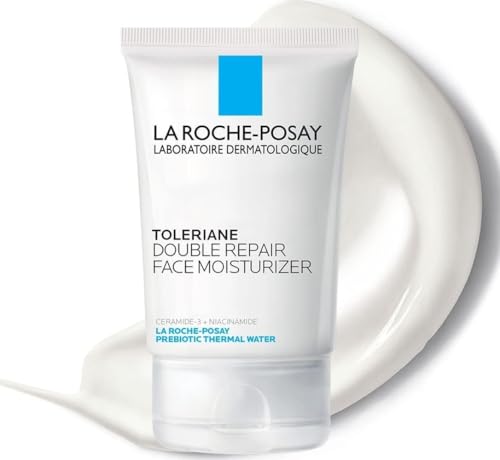
La Roche-Posay
Toleriane Double Repair Face Moisturizer
Better for dry or compromised skin, because ceramides and niacinamide address barrier repair rather than only adding water to the surface.
Best for: Dry skin and damaged barriers
Check price on Amazon →Our snail mucin vs hyaluronic acid comparison covers the other popular humectant route, and ceramide cream vs slugging covers what to do when a gel is not holding overnight.

Better as a layer rather than a moisturiser, since a hyaluronic and polyglutamic acid booster sits under whatever moisturiser the season calls for.
Best for: People who want to change moisturiser seasonally
Check price on Amazon →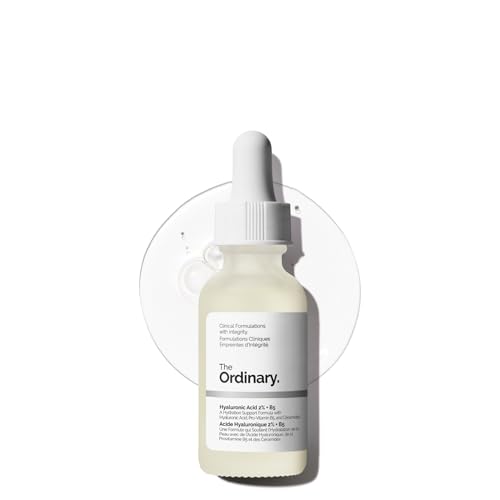
The Ordinary
Hyaluronic Acid 2% + B5 Serum
Better on value for the same active idea, at roughly a quarter of the price, though you will still want a moisturiser over it.
Best for: Hyaluronic acid on a budget
Check price on Amazon →Frequently asked
Is a gel moisturiser enough on its own? +
For oily and combination skin in warm or humid conditions, often yes. For dry skin, or in cold dry air, usually not, because humectants draw water in and need an occlusive layer to keep it there. If your skin feels tight by morning, the gel is not failing, it is being asked to do the wrong job.
What is the difference between dry and dehydrated skin? +
Dry skin lacks oil and needs lipids and occlusives. Dehydrated skin lacks water and needs humectants plus something to slow evaporation, and oily skin gets dehydrated all the time. Buying a rich cream for dehydration or a light gel for dryness is the most common moisturiser mistake there is.
Is blue hyaluronic acid different from regular hyaluronic acid? +
It is a brand descriptor rather than a separate class of ingredient. Hyaluronic acid comes in different molecular weights, which does affect how it behaves, and hyaluronic acid itself is inexpensive and widely available. Judge the product on formulation and texture, not on the adjective.
Will the mint irritate sensitive skin? +
It can. Cooling and tingling ingredients are a recognised source of irritation, and hypoallergenic is not a regulated claim. If your skin reacts to menthol, mint or other sensation-producing ingredients, choose a fragrance-free moisturiser without them rather than hoping this one is different.
Can I use it with retinol? +
Yes, and a light gel is a reasonable buffer. Apply it before or after your retinoid depending on how much cushioning you need, and if your skin is flaking or tight during an adjustment period, switch temporarily to something richer with ceramides. Gels are for hydration, not for barrier repair.
Related reading
- Snail mucin vs hyaluronic acid
- What is hyaluronic acid
- Best moisturizers for combination skin
- Vichy Mineral 89 review
- La Roche-Posay Toleriane Double Repair review
- 111SKIN Rose Gold mask review
Researched from the manufacturer’s published product information, the published ingredient literature and the consensus of verified owner reviews. We have not tested this product hands-on. This is researched information, not professional medical advice: a dermatologist or your own doctor is the right person to ask about your skin, and anyone who is pregnant, breastfeeding or trying to conceive should check with a clinician before starting a new active ingredient. Prices and formulations change, so confirm before buying. As an Amazon Associate we earn from qualifying purchases, at no extra cost to you.
Keep reading
All articles →guides
Snail Mucin vs Hyaluronic Acid: Which Hydrating Layer?
Snail mucin is a mixed filtrate that hydrates and leaves a tacky film; hyaluronic acid is a single humectant. Compare texture, evidence and which layers better.
guides
Eye Cream vs Moisturizer: Do You Actually Need Both?
Most eye creams are moisturizer in a smaller, pricier jar. Compare what genuinely differs, what the eye area needs, and which claims do not survive scrutiny.
guides
Face Oil vs Moisturizer: Which Does Your Skin Actually Need?
Oils seal water in but add none; moisturizers do both. Compare what each contains, why oil alone can leave skin drier, and how to layer them correctly.
Premium Beauty
More Premium Beauty picks
If money isn't the object, these are our Premium Beauty favorites.
CurrentBody
Under $500LED Light Therapy Face Mask Series 3
750 LEDs and 6 wavelengths, chosen in the MyDose app.
Buy on Amazon →Dr. Dennis Gross
Under $500DRx SpectraLite FaceWare Pro
Rigid shell. 100 red + 62 blue LEDs. Sephora's bestseller.
Buy on Amazon →Omnilux
Under $500Men LED Face Mask
Omnilux's in-stock flexible LED face mask (the Contour Face is out of stock on Amazon).
Buy on Amazon →Therabody
Under $500TheraFace PRO
Microcurrent, red light and percussive therapy in one handheld. Replaces three single-purpose gadgets.
Buy on Amazon →Therabody
Under $500TheraFace PRO
Red light + microcurrent + percussive + cleansing. Sci-fi gadget.
Buy on Amazon →Augustinus Bader
Under $500The Cream
TFC8 tech. The one celebrities keep talking about.
Buy on Amazon →