Drunk Elephant Virgin Marula Oil Review: One Ingredient, under $50
A researched Virgin Marula Luxury Facial Oil review: what a single-ingredient antioxidant oil does, why oils do not hydrate, and cheaper single-ingredient options.
Heads up: this post has affiliate links. We may earn a small commission if you buy something, at no extra cost to you. We only link to stuff we'd actually tell a friend about. Prices shown are approximate and change often; check the retailer for current pricing.
Buy Virgin Marula if you want a fragrance-free, essential-oil-free single-ingredient facial oil to seal a routine, particularly on skin that reacts to botanical blends. Skip it if you expected an oil to hydrate, because oils contain no water and seal rather than supply, and skip it if under $50 for 15 ml feels steep for one ingredient, because it reasonably might.

Drunk Elephant
Virgin Marula Luxury Facial Oil
A 15 ml single-ingredient marula oil rich in omegas 6 and 9 and polyphenols, free of essential oils, silicones and fragrance, suitable for sensitive skin.
Best for: Sealing a routine on skin that reacts to botanical blends
Check price on Amazon →Drunk Elephant describes Virgin Marula as a face oil rich in antioxidants and omegas 6 and 9 that moisturises, nourishes and visibly balances, highly absorbable, appropriate for all skin including the most sensitive, and containing high concentrations of polyphenols for antioxidant defence. It is part of the brand’s formulation approach that excludes essential oils, drying alcohols, silicones, chemical sunscreens, fragrances and dyes, and SLS.
The single most useful thing about this product is that exclusion list. Facial oils are one of the categories where essential oils and fragrance are most common, and they are also one of the most common causes of contact reactions. An oil that is genuinely just an oil is a legitimately different product from a blend, and it is the reason dermatologists more often point sensitive skin at single-ingredient oils.
What it is not is a moisturiser in the sense most people mean. Face oil vs moisturizer is the comparison worth reading before you buy any oil at all.
Specifications
| Spec | Detail |
|---|---|
| Size | 15 ml, 0.5 fl oz |
| Composition | Virgin marula oil |
| Named actives | Omegas 6 and 9, polyphenols |
| Free from | Essential oils, drying alcohols, silicones, chemical sunscreens, fragrance and dyes, SLS |
| Skin types | Stated by the brand as appropriate for all skin, including sensitive |
| Usage | Two to three drops on face, neck, chest, hands or arms |
Specifications above come from Drunk Elephant’s published product information for Virgin Marula Luxury Facial Oil.
What it does well
- No essential oils and no fragrance, which for a facial oil is the most meaningful formulation decision available and rules out the most common source of reactions.
- It absorbs quickly for an oil and does not leave the heavy film that puts people off the category.
- A single ingredient makes it easy to work out what your skin is responding to, which is genuinely useful if you are troubleshooting reactions.
- It layers over anything without interaction concerns, and it works on hands, neck and chest as well as the face.
Oils seal, they do not hydrate
An oil contains no water. Applying it to dry skin seals in whatever is there, and if that is not much, the result is skin that feels smoother and is no better hydrated. Oils belong over a moisturiser or over damp skin, not instead of a hydrating step, and this is the most common way people are disappointed by face oils.
The antioxidant claim is soft. Polyphenols in a plant oil are real, and the leap from that to measurable antioxidant protection in living skin is not supported the way it is for a well-formulated vitamin C serum. It is a reasonable bonus, not a reason to buy.
Forty-two dollars for 15 ml of one plant oil is a lot, and single-ingredient oils including squalane are available at a small fraction of it with a similarly good record on tolerability.
Non-comedogenic behaviour varies by person. Marula is generally well tolerated, and acne-prone skin still sometimes reacts to any occlusive layer, which no ingredient list can predict for you.
It does not treat eczema, rosacea or any other condition. Skin that is persistently irritated, itchy or inflamed is worth showing to a doctor rather than treating with a more expensive oil.
What owners consistently report
Published owner reviews are consistently positive on feel and tolerability, and the recurring description is of an oil that sinks in rather than sits. The people most enthusiastic about it are those who had reacted to other facial oils, which lines up with the fragrance-free and essential-oil-free formulation being the real differentiator.
The consistent complaints are the price relative to the size and the absence of a dramatic result, which is what an emollient oil should be expected to produce. A smaller theme is that people with very dry skin find it insufficient on its own, which it is, since it is a sealing layer rather than a moisturiser.
Who it suits
- Sensitive or reactive skin that wants an oil without botanicals or fragrance.
- Anyone troubleshooting reactions who needs a simple, legible product.
- People who want a final sealing layer over a moisturiser, particularly in winter.
Who should skip it
- Anyone expecting an oil to replace a moisturiser or to hydrate.
- Value-focused buyers, since plain squalane costs a fraction and is similarly well tolerated.
- Very dry skin looking for a single product to do everything.
Alternatives worth considering
Three alternatives, each better at a specific thing.

HERBIVORE
Lapis Facial Oil
Better if you want a botanical blend aimed specifically at oily and blemish-prone skin, provided you know you tolerate essential oils.
Best for: Oily skin that gets on with botanicals
Check price on Amazon →Our Herbivore Lapis review covers the essential oil trade-off in detail, and beef tallow vs ceramide creams covers the wider argument about occlusives versus formulated moisturisers.
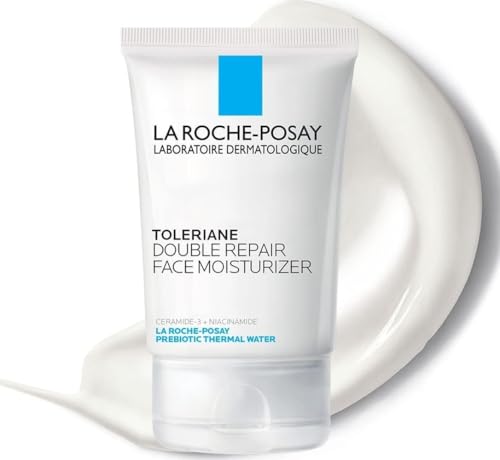
La Roche-Posay
Toleriane Double Repair Face Moisturizer
Better if what your skin actually needs is a moisturiser rather than a sealing oil, since ceramides and niacinamide address barrier repair directly.
Best for: Dry skin that needs a moisturiser, not an oil
Check price on Amazon →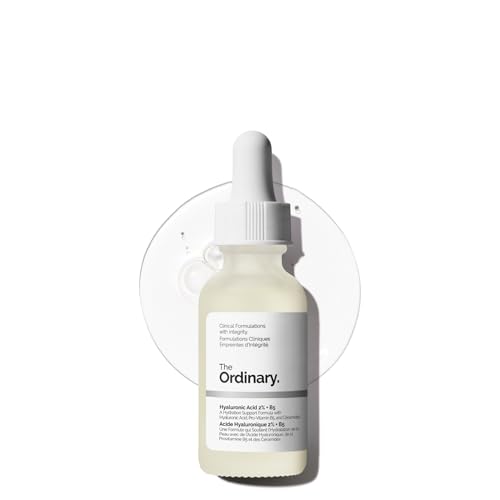
The Ordinary
Hyaluronic Acid 2% + B5 Serum
Better as the layer underneath, because an oil seals in water and a humectant serum on damp skin is what puts the water there in the first place.
Best for: Building the hydration an oil can then seal
Check price on Amazon →Frequently asked
Does face oil moisturise? +
Not in the way people mean. Oils contain no water. They are emollient and occlusive, so they soften the surface and slow water loss, but they do not add hydration. Apply an oil over a moisturiser or onto damp skin. Using one on dry skin as your only step is the classic mistake.
Is marula oil good for acne-prone skin? +
Marula is generally well tolerated and lighter than many plant oils, and plenty of blemish-prone people use it without trouble. Any occlusive layer can worsen congestion in some people, and no ingredient list predicts that. Introduce it alone and give it four to six weeks before judging.
Virgin Marula or plain squalane? +
Squalane is cheaper, extremely well tolerated and does much of the same sealing work, so on value it wins comfortably. Marula brings polyphenols and a slightly richer feel. If you like the way this one feels and the budget is fine, that is a legitimate reason to buy it. It is not a performance gap.
Why is it only 15 ml? +
Face oils are used two or three drops at a time, so a small bottle lasts longer than the size suggests, and oils oxidise over time, which is an argument for smaller packaging. It is still expensive per millilitre, and that is a fair criticism rather than a misunderstanding.
Can I use it with retinol or acids? +
Yes, and layering an oil on top of an irritating active is a common way to make it more tolerable. Apply your active first, let it absorb, then seal with the oil. If you are in an adjustment period, that buffering approach is more useful than stopping and starting the retinoid.
Related reading
- Face oil vs moisturizer
- Beef tallow vs ceramide creams
- Best face oils for mature skin
- Herbivore Lapis facial oil review
- Drunk Elephant T.L.C. Framboos review
- La Roche-Posay Toleriane Double Repair review
Researched from the manufacturer’s published product information, the published ingredient literature and the consensus of verified owner reviews. We have not tested this product hands-on. This is researched information, not professional medical advice: a dermatologist or your own doctor is the right person to ask about your skin, and anyone who is pregnant, breastfeeding or trying to conceive should check with a clinician before starting a new active ingredient. Prices and formulations change, so confirm before buying. As an Amazon Associate we earn from qualifying purchases, at no extra cost to you.
Keep reading
All articles →guides
Drunk Elephant T.L.C. Framboos Review: 10% AHA, 1% BHA
A researched T.L.C. Framboos review: what a 10 percent AHA and 1 percent BHA gel does, why the tingle is not a badge, sun sensitivity, and cheaper acids that match it.
guides
Herbivore Lapis Facial Oil Review: Blue Tansy on Oily Skin
A researched Herbivore Lapis review: what blue tansy and squalane do, why natural does not mean gentle, essential oil sensitisation, and who should not use a face oil.
guides
Vichy Mineral 89 Review: A Booster, Not a Moisturiser
A researched Vichy Mineral 89 review: hyaluronic and polyglutamic acid, what the volcanic water claim is worth, how to read the brand percentages, and cheaper options.
Premium Beauty
More Premium Beauty picks
If money isn't the object, these are our Premium Beauty favorites.
CurrentBody
Under $500LED Light Therapy Face Mask Series 3
750 LEDs and 6 wavelengths, chosen in the MyDose app.
Buy on Amazon →Dr. Dennis Gross
Under $500DRx SpectraLite FaceWare Pro
Rigid shell. 100 red + 62 blue LEDs. Sephora's bestseller.
Buy on Amazon →Omnilux
Under $500Men LED Face Mask
Omnilux's in-stock flexible LED face mask (the Contour Face is out of stock on Amazon).
Buy on Amazon →Therabody
Under $500TheraFace PRO
Microcurrent, red light and percussive therapy in one handheld. Replaces three single-purpose gadgets.
Buy on Amazon →Therabody
Under $500TheraFace PRO
Red light + microcurrent + percussive + cleansing. Sci-fi gadget.
Buy on Amazon →Augustinus Bader
Under $500The Cream
TFC8 tech. The one celebrities keep talking about.
Buy on Amazon →