Ultherapy vs At-Home Microneedling: The Honest Cost-Benefit
Ultherapy (over $1,000) vs at-home microneedling (under $50 derma roller to $500 home RF device). Different mechanisms, different results. When each makes.
Heads up: this post has affiliate links. We may earn a small commission if you buy something, at no extra cost to you. We only link to stuff we'd actually tell a friend about. Prices shown are approximate and change often; check the retailer for current pricing.
Ultherapy uses focused ultrasound at SMAS-layer depth (4.5mm) to trigger deep collagen remodeling (real skin tightening, $2,000-4,000 per session, results at 3-6 months lasting 1-2 years. At-home microneedling (0.25-0.5mm rollers or pens) works surface-only on pigmentation and mild texture) limited to superficial benefits, $30-80 devices. They’re not substitutes. For real skin tightening, Ultherapy or Sofwave; for texture and pigmentation, at-home microneedling is fine.
Ultherapy and microneedling both claim “skin tightening.” They work at dramatically different depths and deliver dramatically different results. Here’s the honest breakdown.
The depth matters more than the name
Skin tightening happens at the SMAS layer (the same connective tissue surgeons tighten during facelifts. Only procedures reaching 4.5mm deep (Ultherapy, Sofwave ultrasound) can trigger SMAS-level remodeling. At-home microneedling max depth is 0.5mm) hundreds of times too shallow for SMAS. At-home works on surface pigmentation and texture only.
Skin layer depths:
- 0.0-0.1mm: stratum corneum (surface), skincare products, at-home rollers
- 0.1-1.5mm: epidermis + papillary dermis, pigmentation, texture
- 1.5-4.5mm: reticular dermis, professional microneedling (1.5-3mm), RF microneedling (3-4mm)
- 4.5mm+: SMAS layer, Ultherapy, Sofwave, surgery
At-home rollers stop at 0.5mm. Ultherapy reaches 4.5mm. That 9x depth difference is why they deliver completely different results.
What Ultherapy actually does
Ultherapy uses focused ultrasound to heat tissue at precise depths (1.5mm, 3mm, 4.5mm). The heat triggers controlled damage at the SMAS layer, which responds with collagen remodeling. Results develop over 3-6 months and last 12-24 months. The only non-surgical option that addresses real skin laxity.
Ultherapy specifics:
- Mechanism: focused ultrasound at 3 depths
- Treats: real skin laxity, jawline, neck, brows, décolleté
- Timeline: results at 3-6 months
- Duration: 12-24 months per session
- Cost: $2,000-4,000 per full-face session
- Downtime: 0-2 days (mild swelling)
- Pain: moderate during procedure (numbing recommended)
What Sofwave offers as alternative
Sofwave is a newer ultrasound-based skin tightening treatment similar to Ultherapy. It uses a different frequency and depth profile, typically less painful than Ultherapy. Sessions $2,500-3,500. Results at 3-4 months, lasting 1-2 years. Many derms now prefer Sofwave over Ultherapy for patient comfort.
Sofwave vs Ultherapy:
- Pain: Sofwave significantly less painful
- Depth: Sofwave focuses on 1.5mm; less deep than Ultherapy’s 4.5mm
- Results: comparable skin tightening outcomes
- Cost: Sofwave typically $2,500-3,500 (slightly less than Ultherapy)
- Durability: 1-2 years per session
What at-home microneedling delivers
At-home microneedling with 0.25-0.5mm rollers works on surface-level benefits: product penetration enhancement, mild texture improvement, pigmentation fading. It does NOT tighten skin, firm jawlines, or address laxity. Max benefit takes 6+ months of consistent use. Best use case: enhancing retinol/vitamin C serum penetration.
At-home microneedling scope:
- Treats: pigmentation, surface texture, product penetration
- Doesn’t treat: skin laxity, deep wrinkles, jawline slackness, neck aging
- Timeline: 12-16 weeks for visible change
- Devices: $30-80 rollers, $100-300 pens
- Frequency: 1-2x per week
The product penetration use case is actually the most valuable, rolling 0.25mm before applying tretinoin or vitamin C dramatically improves absorption.
When to skip at-home microneedling
Skip at-home microneedling if: you expect skin tightening (it can’t), you have active acne (spreads bacteria), you have skin infections (spreads them), you can’t commit to proper hygiene (needle sharing risks infection). At-home microneedling is a secondary tool, not a primary anti-aging treatment.
At-home microneedling is not appropriate if:
- You expect skin tightening results (won’t happen)
- You have active acne (bacterial spread risk)
- You have rosacea (can flare)
- You have cold sores (can spread)
- You’re pregnant (not contraindicated, but not necessary)
The combined strategy
Real skin-tightening strategy: Ultherapy or Sofwave every 12-18 months (over $1,000), combined with at-home LED mask for maintenance (Omnilux, $395), daily tretinoin, growth factor serum (SkinMedica TNS, $295), and at-home microneedling 1-2x per week for product penetration (optional). This stack maintains tightening effects and improves skin quality continuously.
The serious skin tightening stack:
- Ultherapy or Sofwave every 12-18 months
- Omnilux Contour LED mask 3-5x/week
- Tretinoin nightly
- SkinMedica TNS Advanced+ twice daily
- At-home microneedling 1-2x/week (optional, for penetration)
- Daily SPF 46+
- Alastin Restorative Skin Complex post-Ultherapy
Annual cost (procedures included): $3,500-6,000 for comprehensive tightening + anti-aging maintenance.
At-home devices worth considering
Dr. Dennis Gross
DRx SpectraLite FaceWare Pro
FDA-cleared red + blue LED mask. 100 red and 62 blue lights for firmer, clearer skin.
Best for: Post-Ultherapy maintenance, daily collagen support

Therabody
TheraFace Pro
Multi-function device with microcurrent + LED.
Best for: Those who want one-device multi-tool

SkinMedica
TNS Advanced+ Serum
Growth factor serum. Foundational anti-aging.
Best for: Post-procedure recovery and ongoing support
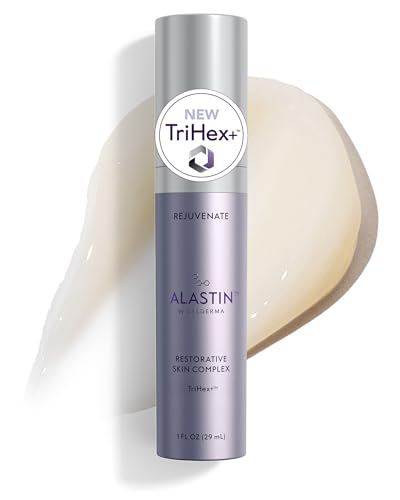
Alastin
Restorative Skin Complex
TriHex peptides. Pre/post-procedure standard.
Best for: Pre and post-Ultherapy or Sofwave
The verdict
Ultherapy (or Sofwave) is the only non-surgical option that addresses real skin laxity. At-home microneedling is a secondary tool for surface benefits and product penetration (it cannot replace skin tightening procedures. For budget-constrained users, start with tretinoin + LED mask + SPF) the foundational stack delivers the most total benefit. Save for Ultherapy when skin laxity becomes visible.
Priority order for skin aging:
- Foundational: tretinoin + SPF + moisturizer
- Device: Omnilux LED mask (under $500)
- Premium serum: TNS Advanced+ or Alastin (under $500)
- Procedure: Ultherapy or Sofwave when laxity becomes visible
- At-home microneedling: optional for penetration enhancement
Premium Beauty
The at-home tightening stack
Devices and serums that maintain procedure results.
CurrentBody
Under $500LED Light Therapy Face Mask Series 3
750 LEDs and 6 wavelengths, chosen in the MyDose app.
Buy on Amazon →Dr. Dennis Gross
Under $500DRx SpectraLite FaceWare Pro
Rigid shell. 100 red + 62 blue LEDs. Sephora's bestseller.
Buy on Amazon →Omnilux
Under $500Men LED Face Mask
Omnilux's in-stock flexible LED face mask (the Contour Face is out of stock on Amazon).
Buy on Amazon →Therabody
Under $500TheraFace PRO
Microcurrent, red light and percussive therapy in one handheld. Replaces three single-purpose gadgets.
Buy on Amazon →Therabody
Under $500TheraFace PRO
Red light + microcurrent + percussive + cleansing. Sci-fi gadget.
Buy on Amazon →Augustinus Bader
Under $500The Cream
TFC8 tech. The one celebrities keep talking about.
Buy on Amazon →Frequently asked
Can at-home microneedling work as well as in-office? +
No. In-office uses 1.5-3mm needles (vs 0.25-0.5mm at home) at sterile conditions. Depth and sterility differences matter significantly for results.
Is Ultherapy worth the $3,000? +
For patients with visible laxity, yes, it's dramatically cheaper than a facelift ($10,000-25,000) and provides real tightening. For mild concerns, skip until you need it.
Sofwave vs Ultherapy: which is better? +
Comparable results. Sofwave is less painful and slightly cheaper. Ultherapy has longer track record and deeper penetration. Both are legitimate.
Is home microneedling safe? +
Only with proper hygiene. Use single-use sterile tips, avoid 0.5mm+ depth without training, never share devices. Home microneedling has real infection risk if done poorly.
Can I do Ultherapy and Sofwave together? +
Not the same session. Some derms alternate, Ultherapy one year, Sofwave the next. Over-treating isn't additive.
Keep reading
All articles →guides
Sofwave Cost 2026: $2,500–$3,500 for Full Face (Real Prices)
Real Sofwave prices for 2026: $2,500–$3,500 per full face session. Less painful than Ultherapy, similar lift. Full pricing by area, city tier, and how it compares to at-home alternatives.
guides
How Much Does Ultherapy Cost in 2026? (Full Breakdown)
Ultherapy cost 2026: $2,000-4,500 per session depending on area. Here's what you're paying for, why it varies so much, and cheaper alternatives that get.
guides
Emface Cost 2026: $2,500–$4,500 for a Full Series (Real Prices)
Real Emface prices for 2026: $800-$1,200 per session, with the standard 4-session series running $2,500-$4,500 at most clinics. What affects price, plus at-home muscle-toning alternatives.
Premium Beauty
More Premium Beauty picks
If money isn't the object, these are our Premium Beauty favorites.
CurrentBody
Under $500LED Light Therapy Face Mask Series 3
750 LEDs and 6 wavelengths, chosen in the MyDose app.
Buy on Amazon →Dr. Dennis Gross
Under $500DRx SpectraLite FaceWare Pro
Rigid shell. 100 red + 62 blue LEDs. Sephora's bestseller.
Buy on Amazon →Omnilux
Under $500Men LED Face Mask
Omnilux's in-stock flexible LED face mask (the Contour Face is out of stock on Amazon).
Buy on Amazon →Therabody
Under $500TheraFace PRO
Microcurrent, red light and percussive therapy in one handheld. Replaces three single-purpose gadgets.
Buy on Amazon →Therabody
Under $500TheraFace PRO
Red light + microcurrent + percussive + cleansing. Sci-fi gadget.
Buy on Amazon →Augustinus Bader
Under $500The Cream
TFC8 tech. The one celebrities keep talking about.
Buy on Amazon →