Skin Barrier Repair Routine 2026: 14-Day Reset for Damaged Skin
Compromised skin barrier? The 2026 14-day repair routine: ceramides, panthenol, centella, niacinamide. Proven products from Cicaplast, CeraVe, Avene Cicalfate, Skinmedica. Stop active retinoids, restore moisture barrier.
Heads up: this post has affiliate links. We may earn a small commission if you buy something, at no extra cost to you. We only link to stuff we'd actually tell a friend about. Prices shown are approximate and change often; check the retailer for current pricing.
Damaged skin barrier needs a 14-day reset: STOP all actives (retinol, AHA/BHA, vitamin C), simplify to gentle cleanser + ceramide moisturizer + bland sunscreen, add a barrier-repair cream with panthenol or centella. Reintroduce actives only when redness, tightness, and flaking are gone. Most barriers recover in 2-4 weeks; severe damage takes 6-8 weeks.
A compromised skin barrier shows up as redness, persistent stinging, unexplained breakouts, dry patches, and that “my skin doesn’t tolerate anything anymore” feeling. It happens when over-exfoliation, retinoid burn, harsh cleansers, or chronic stress break down the lipid layer that holds your skin together. The good news: barriers heal predictably with the right protocol. The bad news: most “barrier repair” content online layers MORE products on already-irritated skin. Real repair requires LESS (fewer ingredients, fewer steps, no actives) for 14 days minimum.
This is the protocol dermatologists actually prescribe, with the products that consistently deliver results.
The 14-Day Reset Protocol
Day 1-3: Strip Everything
- Stop all actives: tretinoin/retinol, AHA, BHA, vitamin C, benzoyl peroxide, exfoliating toners
- Stop all “extras”: brightening serums, peptide complexes, essences, masks, scrubs
- Use ONLY: gentle cleanser (1x/day at night), bland moisturizer (2x/day), sunscreen (AM)
- Skip morning cleansing, water rinse only
- Sleep with a humidifier if your home is dry
Day 4-10: Add Barrier-Repair Layer
Once redness/tightness eases (typically day 3-5), add ONE barrier-repair cream applied over moisturizer at night:

La Roche-Posay
Cicaplast Baume B5

Avene
Cicalfate+ Restorative Protective Cream
Day 11-14: Assess and Plan Reintroduction
Skin barrier is healed when:
- Redness is gone or vastly reduced
- No stinging when applying products
- Tightness gone within 30 min of moisturizing
- No new flaking
- Makeup applies smoothly without patchy areas
If barrier is healed, you can begin slowly reintroducing actives, ONE at a time, twice per week max, for the first two weeks.
The Core Repair Stack (Use ALL 14 Days)
1. Gentle, Non-Foaming Cleanser
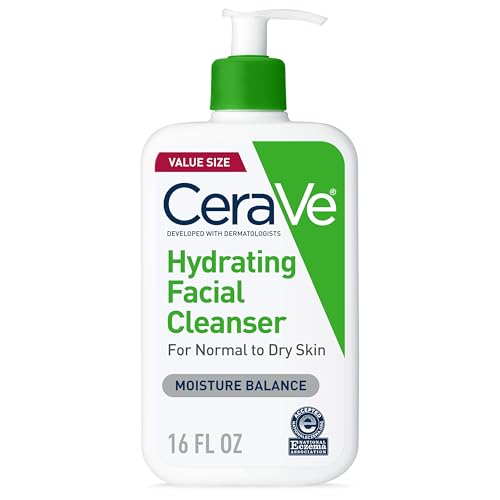
CeraVe
Hydrating Facial Cleanser

Vanicream
Gentle Facial Cleanser
2. Ceramide-Rich Moisturizer

CeraVe
Moisturizing Cream

La Roche-Posay
Toleriane Double Repair Face Moisturizer

SkinMedica
Dermal Repair Cream
3. Bland, Mineral Sunscreen
UV damage worsens barrier disruption. Mineral sunscreens (zinc oxide, titanium dioxide) are non-irritating during repair. Avoid chemical sunscreens with avobenzone, octocrylene, or fragrance during this period.

EltaMD
UV Clear Broad-Spectrum SPF 46
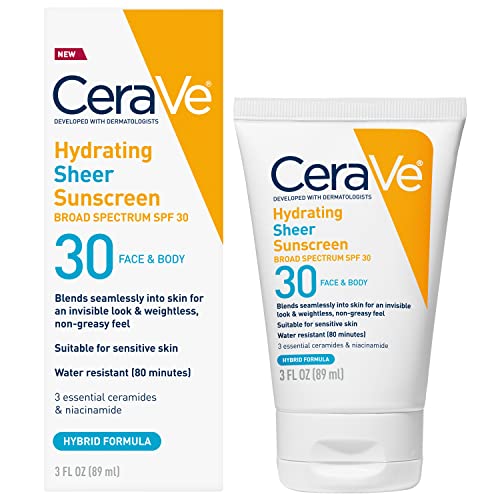
CeraVe
Hydrating Mineral Sunscreen Face SPF 30
What Caused Your Barrier Damage?
Identifying the cause prevents recurrence after repair:
Over-exfoliation (most common cause)
- Daily AHA/BHA use for weeks
- Multiple acids stacked (glycolic + salicylic + lactic)
- Physical scrubs combined with chemical exfoliants
- Increased frequency without ramping
Retinoid burn
- Started tretinoin 0.05% before tolerating 0.025%
- Applied to wet skin (massively boosts irritation)
- Combined with vitamin C, AHAs, or BHAs
- Used on sensitive areas (around eyes, mouth, neck)
Harsh cleansers
- Foaming cleansers with sulfates (SLS, ALS)
- Cleansers with high alcohol content
- Hot water for cleansing (70°F+ is too warm for facial barrier)
Environmental
- Severe dryness (winter, low humidity)
- Travel (airplane cabin = 10-20% humidity)
- New medications causing skin sensitivity
- Hormonal shifts (postpartum, perimenopause)
Stress + sleep deprivation
- Cortisol disrupts barrier function
- 4-hour sleep nights show measurable barrier damage in 3-4 days
Reintroducing Actives After Repair
After the 14-day reset, reintroduce actives ONE at a time on a slow ramp:
Week 1: Active 1 (e.g., niacinamide), 2x per week, watch for any redness Week 2: Active 1, 4x per week if tolerated Week 3: Active 1 daily, plus introduce Active 2 (e.g., low-strength retinol 0.25%) at 2x/week Week 4: Both at full frequency if tolerated
Never reintroduce more than one new active per week. Never start back at the full strength that caused the original damage.
What to AVOID During Barrier Repair
- ANY active ingredient (retinoids, acids, vitamin C, BPO)
- Fragrance and essential oils (lavender, tea tree, citrus oils)
- Physical scrubs and exfoliating tools (Clarisonic, Foreo, sponges)
- Hot water (use lukewarm)
- Long, hot showers (cool down face with last rinse)
- New skincare products you haven’t tested before
- Makeup application on actively-broken areas
- Witch hazel, alcohol-based toners, peppermint
- “Healing” ingredients you haven’t validated (kojic acid, hydroquinone, alpha arbutin during repair)
When to See a Dermatologist
DIY repair is usually sufficient. See a derm if:
- 6+ weeks of repair protocol with no improvement
- Severe pain, blistering, or weeping
- Spreading redness or warmth (could be infection)
- Suspect rosacea flare (persistent flushing, visible vessels)
- Suspect contact dermatitis (sudden new product reaction)
Related Resources
- Best Retinol for Sensitive Skin
- Pre-Tretinoin Barrier Prep
- Can You Use AHA With Retinol?
- Tretinoin Sandwich Method
- Niacinamide Complete Guide
Frequently asked
How do I know my barrier is damaged? +
Symptoms: persistent redness, tightness/stinging when applying products, unexplained breakouts, dry flaking, increased sensitivity to weather, makeup not applying smoothly. If 3+ apply, your barrier is compromised.
How long does barrier repair take? +
Mild damage: 7-10 days. Moderate: 14-21 days. Severe (post-tretinoin burn, post-peel): 4-8 weeks. Don't rush back to actives, premature reintroduction restarts the damage cycle.
Can I wear makeup during barrier repair? +
Minimal makeup OK after day 5-7 once redness eases. Use mineral foundations (no oils, no fragrance, no SPF chemical filters). Skip primer, setting spray, and eye makeup until day 10+.
Best barrier-repair cream under $30? +
La Roche-Posay Cicaplast Baume B5 (under $25), panthenol-based, dermatologist-recommended. Worth the slight upcharge over CeraVe Healing Ointment for lighter texture.
Should I use slugging during barrier repair? +
Yes for severely damaged barriers. Apply Vaseline or Aquaphor as the last step at night for the first 3-5 days only. Stop if you notice clogged pores or new breakouts. Better long-term: switch to a ceramide cream once acute irritation eases.
Can I work out during barrier repair? +
Yes, but rinse face with cool water immediately after. Sweat + heat amplifies irritation on compromised barriers. Wipe sweat with a soft microfiber towel rather than rubbing with cotton.
Is barrier repair the same as 'skin cycling'? +
No. Skin cycling is a maintenance routine for healthy skin. Barrier repair is intensive treatment for damaged skin. Don't conflate them, skin cycling protocols still include actives, which damaged barriers can't tolerate.
How do I prevent recurring barrier damage? +
Slow ramp-up of any new active. Don't combine acids and retinoids same night. Use sunscreen daily (UV damages barrier). Maintain ceramide moisturizer year-round even when not actively repairing. Hydrate (water intake matters) and get adequate sleep.
Keep reading
All articles →guides
Eczema Skincare: The Complete Evidence-Based Guide (2026)
Eczema (atopic dermatitis) skincare routine, barrier repair, anti-inflammation, trigger avoidance. The products that work vs ones that flare eczema.
guides
What Are Ceramides? The Skin Barrier Essential
Ceramides rebuild your skin barrier. Here's how they work, why they matter more than moisturizers without them, and the best products.
guides
What Is Allantoin? The Complete Skincare Guide
Allantoin is the gentle skincare ingredient for sensitive skin, wound healing, and barrier support. Here's how it works.
Premium Beauty
More Premium Beauty picks
If money isn't the object, these are our Premium Beauty favorites.
CurrentBody
Under $500LED Light Therapy Face Mask Series 3
750 LEDs and 6 wavelengths, chosen in the MyDose app.
Buy on Amazon →Dr. Dennis Gross
Under $500DRx SpectraLite FaceWare Pro
Rigid shell. 100 red + 62 blue LEDs. Sephora's bestseller.
Buy on Amazon →Omnilux
Under $500Men LED Face Mask
Omnilux's in-stock flexible LED face mask (the Contour Face is out of stock on Amazon).
Buy on Amazon →Therabody
Under $500TheraFace PRO
Microcurrent, red light and percussive therapy in one handheld. Replaces three single-purpose gadgets.
Buy on Amazon →Therabody
Under $500TheraFace PRO
Red light + microcurrent + percussive + cleansing. Sci-fi gadget.
Buy on Amazon →Augustinus Bader
Under $500The Cream
TFC8 tech. The one celebrities keep talking about.
Buy on Amazon →