Revision C+ Correcting Complex 30% Review: Is 30% Better?
A researched Revision C+ Correcting Complex 30% review: what the 30% figure actually refers to, why more vitamin C is not linearly better, and cheaper serums worth considering.
Heads up: this post has affiliate links. We may earn a small commission if you buy something, at no extra cost to you. We only link to stuff we'd actually tell a friend about. Prices shown are approximate and change often; check the retailer for current pricing.
Buy Revision C+ Correcting Complex 30% if you want a cosmetically pleasant, well-buffered vitamin C serum from a professional brand and the price is not the deciding factor. Skip it if you are buying it because 30 percent sounds like more than 15 percent, because that is not how vitamin C concentration works and it is the single most misleading number in this category.

Revision Skincare
C+ Correcting Complex 30% Vitamin C Serum
A 1 oz vitamin C serum built around a blend of vitamin C forms plus the brand’s MelaPath technology, in a texture closer to a light moisturiser than a watery serum.
Best for: People who find traditional L-ascorbic acid serums irritating
Check price on Amazon →Revision positions C+ Correcting Complex 30% as a serum that defends and corrects sun-driven damage, infused with what the brand calls patent-pending MelaPath technology, for a more even tone and a brighter finish. Those are the manufacturer’s words, and they are appearance claims rather than medical ones, which is the correct register for a cosmetic serum.
The number in the name deserves scrutiny, because it is doing most of the selling. Thirty percent here refers to a blend of vitamin C forms and related actives, not thirty percent L-ascorbic acid. That distinction is the whole review. Our L-ascorbic acid vs vitamin C derivatives guide sets out why the two behave so differently, and the vitamin C concentration reference is the chart to have open while you shop.
Specifications
| Spec | Detail |
|---|---|
| Size | 1 oz |
| Headline concentration | 30 percent, as a blend of vitamin C and correcting actives |
| Proprietary technology | MelaPath, described by Revision as patent-pending |
| Manufacturer claims | Illuminates, refines and rejuvenates, for a more even skin tone |
| Texture | Listed by the brand as a skin moisturiser rather than a watery serum |
Specifications above come from Revision Skincare’s published product information. Percentage claims are the manufacturer’s own and describe a blend rather than a single active.
What it does well
- The texture is the strongest practical argument for it. A vitamin C product people actually enjoy putting on is a vitamin C product that gets used, and adherence beats concentration in real life.
- Blended vitamin C forms are generally more stable and less irritating than high-strength L-ascorbic acid, which is why sensitive skin often gets on with formulas like this one.
- It is a professional-channel brand with a long track record, so formulation consistency is not the concern it can be with newer entrants.
- It layers under sunscreen without pilling, which is a small thing that decides whether a morning routine survives.
The 30 percent problem
Thirty percent is not thirty percent L-ascorbic acid, and reading it that way is the mistake the packaging invites. Vitamin C derivatives are measured on a different scale from pure L-ascorbic acid and are not interchangeable with it at equal percentages. A 15 percent L-ascorbic acid serum and a 30 percent blend are not two points on the same line.
More is not linearly better even within L-ascorbic acid. The published work does not support the idea that pushing concentration ever higher keeps producing more benefit, and higher concentrations bring more irritation and more stability problems with them. Concentration is a marketing lever long after it has stopped being a performance lever.
At this price you are also paying for the brand channel. A well-formulated vitamin C serum at a fifth of the cost is a genuinely competitive product, and the honest version of this review says so.
Vitamin C oxidises. Any vitamin C serum darkens over time and loses potency as it goes, and a large expensive bottle you use slowly is worse value than a small one you finish.
It does not treat melasma or any other condition, and dark spots have causes worth having looked at. Persistent or changing pigmentation is a reason to see a dermatologist, not a reason to buy a bigger bottle.
What owners consistently report
Published owner reviews converge on texture and tolerability. People who had given up on vitamin C because L-ascorbic acid stung report getting on with this one, and they describe the finish as the reason they keep repurchasing. Reports of visible evening of tone are common and, as with every vitamin C serum, are gradual and hard to separate from consistent sunscreen use.
The criticism is almost entirely about price. Reviewers who compare it directly with cheaper serums frequently say they cannot tell the difference in outcome, only in how it feels. That is a real finding and it should be weighed honestly against the sticker.
Who it suits
- People whose skin reacts badly to traditional high-strength L-ascorbic acid serums.
- Anyone who values texture and finish enough to pay for it, since that is what keeps a morning step alive.
- Buyers already inside the professional-brand ecosystem who want consistency across a routine.
Who should skip it
- Anyone buying on the strength of the percentage alone. That number does not mean what it looks like it means.
- Budget-conscious shoppers, who can get a well-formulated vitamin C serum for a fraction of this.
- People without a daily sunscreen, since vitamin C is a supporting act and sunscreen is the lead.
Alternatives worth considering
Three alternatives, each better at something this serum is not.
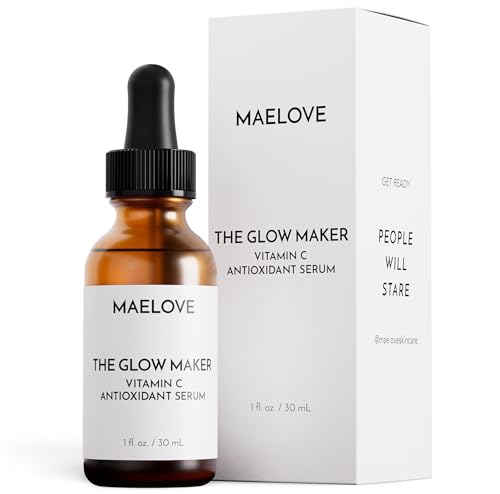
Better on value by a wide margin, using the classic L-ascorbic acid with vitamin E and ferulic acid arrangement that the research base actually sits on.
Best for: Getting the well-studied formula for a fraction of the price
Check price on Amazon →If you are choosing between forms rather than brands, L-ascorbic acid vs vitamin C derivatives is the comparison to read first, and niacinamide vs vitamin C covers the other common swap.

La Roche-Posay
Anthelios Tinted Mineral Sunscreen SPF 50
Better if the goal is fewer dark spots rather than more antioxidant, because preventing pigment beats correcting it and a tinted mineral filter also blocks visible light.
Best for: Anyone treating pigmentation who is not wearing SPF daily
Check price on Amazon →
Better if tone is not really your concern and fine lines are, since a peptide serum targets a different problem and stacks with vitamin C rather than competing with it.
Best for: Lines and elasticity rather than pigmentation
Check price on Amazon →Frequently asked
Is 30% vitamin C better than 15%? +
Not the way the number suggests. The 30 percent here refers to a blend of vitamin C forms and correcting actives, not to 30 percent L-ascorbic acid, and derivatives are not interchangeable with L-ascorbic acid at matching percentages. Higher concentration also brings more irritation and more stability trouble without a matching increase in benefit.
Does vitamin C make you more sensitive to the sun? +
No, vitamin C does not increase sun sensitivity the way retinoids and AHAs do, and it is generally used in the morning for that reason. Daily broad spectrum sunscreen is still non-negotiable, because sun exposure is the main driver of the pigmentation and ageing the serum is being bought to address.
Can I use vitamin C with niacinamide or retinol? +
Yes to both in practice, despite the persistent internet claim otherwise. Vitamin C and niacinamide are routinely used together with no real-world problem. Vitamin C and retinol are usually split between morning and night, mostly to limit irritation rather than because they cancel each other out.
Why has my vitamin C serum turned orange? +
It has oxidised. Vitamin C degrades on exposure to air and light, and darkening means potency has fallen. Buy the smallest size you will finish, keep it closed and out of the light, and treat a deeply orange or brown serum as spent rather than as still working.
Will it fade melasma? +
Vitamin C can help with the appearance of uneven tone, but melasma is a stubborn condition with hormonal and light-driven causes and no serum treats it. Rigorous daily sun protection matters far more, and persistent or changing pigmentation is a reason to see a dermatologist rather than to keep buying serums.
Related reading
- L-ascorbic acid vs vitamin C derivatives
- Vitamin C and niacinamide concentration guide
- Best vitamin C for mature skin
- SkinMedica TNS Recovery Complex review
- Medik8 Liquid Peptides review
- La Roche-Posay Anthelios Tinted Mineral review
Researched from the manufacturer’s published product information, the published ingredient literature and the consensus of verified owner reviews. We have not tested this product hands-on. This is researched information, not professional medical advice: a dermatologist or your own doctor is the right person to ask about your skin, and anyone who is pregnant, breastfeeding or trying to conceive should check with a clinician before starting a new active ingredient. Prices and formulations change, so confirm before buying. As an Amazon Associate we earn from qualifying purchases, at no extra cost to you.
Keep reading
All articles →guides
Medik8 Liquid Peptides Advanced MP Review: 30% of What?
A researched Medik8 Liquid Peptides Advanced MP review: what peptide serums are actually supported by, why the 30 percent figure needs unpacking, and who should buy a retinoid instead.
sunscreen
Is SkinMedica Lytera 2.0 Worth It for Melasma? Real Review
SkinMedica Lytera 2.0 is the derm-favorite non-hydroquinone pigmentation serum. Here's what 12 weeks did for stubborn melasma, and when cheaper options.
guides
111SKIN Rose Gold Mask Review: Under $50 a Face, and Worth It When?
A researched 111SKIN Rose Gold Brightening Mask review: what a hydrogel sheet mask can and cannot do, why the gold is decorative, and when under $150 for five is defensible.
Premium Beauty
More Premium Beauty picks
If money isn't the object, these are our Premium Beauty favorites.
CurrentBody
Under $500LED Light Therapy Face Mask Series 3
750 LEDs and 6 wavelengths, chosen in the MyDose app.
Buy on Amazon →Dr. Dennis Gross
Under $500DRx SpectraLite FaceWare Pro
Rigid shell. 100 red + 62 blue LEDs. Sephora's bestseller.
Buy on Amazon →Omnilux
Under $500Men LED Face Mask
Omnilux's in-stock flexible LED face mask (the Contour Face is out of stock on Amazon).
Buy on Amazon →Therabody
Under $500TheraFace PRO
Microcurrent, red light and percussive therapy in one handheld. Replaces three single-purpose gadgets.
Buy on Amazon →Therabody
Under $500TheraFace PRO
Red light + microcurrent + percussive + cleansing. Sci-fi gadget.
Buy on Amazon →Augustinus Bader
Under $500The Cream
TFC8 tech. The one celebrities keep talking about.
Buy on Amazon →