Mineral vs Chemical Sunscreen: Which Is Right for You?
Both work. Both are safe. The difference is texture, finish, and skin type. Here's the no-BS breakdown to help you choose.
Heads up: this post has affiliate links. We may earn a small commission if you buy something, at no extra cost to you. We only link to stuff we'd actually tell a friend about. Prices shown are approximate and change often; check the retailer for current pricing.
Mineral sunscreens (zinc oxide, titanium dioxide) sit on top of skin and reflect UV. Chemical sunscreens absorb UV and convert it to heat. Both work. Pick mineral for sensitive/rosacea skin and pregnancy. Pick chemical for invisible finish and lighter feel. Most people end up with a hybrid.
The mineral vs chemical debate isn’t actually a debate. Both work. The difference is feel, finish, and skin type compatibility.
How each one works
Mineral sunscreens use zinc oxide or titanium dioxide particles that sit on the skin surface and physically reflect/scatter UV. Chemical sunscreens use organic molecules that absorb UV photons and dissipate the energy as heat. Both block the same wavelengths.
The mechanisms:
- Mineral: physical barrier reflects UV
- Chemical: molecular absorption converts UV to heat
- Hybrid: combines both (best of both worlds)
Both prevent UV from damaging skin DNA. The biological outcome is identical.
At a glance
| Product | Property | Mineral | Rating | Where |
|---|---|---|---|---|
| Active ingredients | - | Zinc oxide, titanium dioxide | Avobenzone, octinoxate, octisalate, etc. | - |
| Mechanism | - | Reflects UV | Absorbs UV | - |
| Texture | - | Heavier, sometimes pasty | Lightweight, fluid | - |
| White cast | - | Possible (especially deeper tones) | None | - |
| Activation time | - | Immediate | 20 minutes | - |
| Photo-stable | - | Yes | Some not (avobenzone) | - |
| Reef-safe | - | Generally yes | Some not (oxybenzone, octinoxate) | - |
| Best for | - | Sensitive, rosacea, pregnancy | Daily wear, makeup, deeper tones | - |
Pick mineral if you have:
Pick mineral sunscreen if you have rosacea, eczema, severely sensitive skin, are pregnant, or have any reactive skin condition. Mineral filters work immediately and don’t trigger sensitivity reactions in most cases.
Mineral is right for:
- Rosacea: chemical filters can trigger flushing
- Eczema: gentle, non-irritating
- Pregnancy: no absorption concerns
- Children: generally safer profile
- Recently treated skin (post-laser, post-peel)
- Reactive sensitive skin

Hybrid mineral + chemical. Best for sensitive + invisible finish.
Best for: Sensitive, rosacea, acne-prone (the universal pick)
Pick chemical if you have:
Pick chemical sunscreen if you want invisible finish, lightweight texture, deeper skin tone (no white cast), wear makeup daily, or live in humid climates. Modern chemical filters are well-studied and safe, the panic about them is largely unfounded.
Chemical is right for:
- Daily wear under makeup
- Deeper skin tones (no white cast risk)
- Oily/combination skin (lighter formulations)
- Humid climates (better feel)
- Athletic/outdoor use (lighter weight)
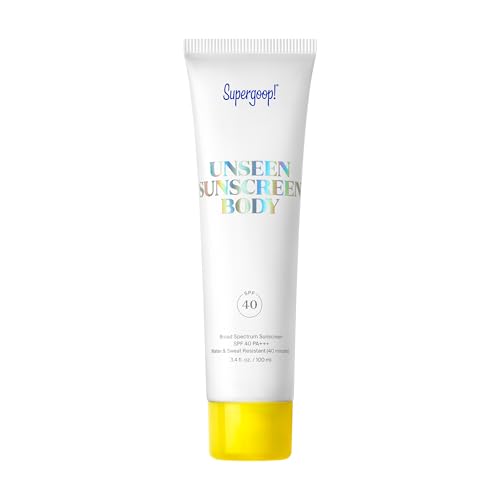
Supergoop!
Unseen Sunscreen SPF 40
Pure chemical SPF in silicone primer base.
Best for: Makeup wearers, deeper skin tones, oily skin
The myths to ignore
Common myths: “chemical sunscreen is dangerous” (largely unfounded (only oxybenzone has minor concerns), “mineral is more effective” (false) same UV blocking), “chemical heats up your skin” (technically true but negligible), “you can’t be allergic to mineral” (false, possible but rare).
Five myths worth busting:
- “Chemical SPF is toxic”, modern filters are well-studied and safe
- “Mineral protects more”, same UV blocking
- “Chemical heats your skin”, true but imperceptible
- “Mineral can’t trigger allergies”, rare but possible
- “You should switch to mineral”, only if your skin demands it
The hybrid solution
Hybrid sunscreens (zinc oxide + chemical filters) combine immediate protection of mineral with the cosmetic elegance of chemical. EltaMD UV Clear is the most-recommended hybrid. It’s why most dermatologists prefer hybrids over pure mineral or pure chemical.
Why hybrids dominate derm recommendations:
- Immediate protection from mineral component
- Lightweight feel from chemical component
- Broader spectrum than either alone
- Better cosmetic outcome than pure mineral
- Less ingredient sensitivity than pure chemical
What’s going on with the chemical sunscreen panic?
In 2019, the FDA required studies on systemic absorption of chemical filters. Some absorption was detected, but no health concerns have been validated. Oxybenzone and octinoxate are the only two filters with mild concerns; modern formulations increasingly avoid them.
The reality:
- 12 chemical filters are FDA-approved
- 10 of them have clean safety records
- Only oxybenzone and octinoxate have minor environmental and absorption concerns
- Most modern sunscreens already exclude these
If you want to avoid the controversial filters, just check labels for avobenzone, homosalate, octisalate, octocrylene, these are the well-studied, low-concern modern chemical filters.
What we recommend
Most people: hybrid sunscreen (EltaMD UV Clear). Sensitive/pregnant/rosacea: pure mineral (Vanicream Mineral SPF 50). Makeup wearers/deeper tones: pure chemical (Supergoop! Unseen). Beach/sport: high-SPF chemical (La Roche-Posay Anthelios 60).
The decision matrix:
- Default pick: Hybrid (EltaMD UV Clear)
- Sensitive/reactive: Pure mineral
- Makeup wear: Pure chemical (Supergoop! Unseen)
- Deeper skin tones: Pure chemical (zero cast)
- Athletic/outdoor: High-SPF chemical or sport-grade mineral
- Pregnancy: Pure mineral
If you have already decided on mineral, jump to our best mineral sunscreens roundup for the top zinc-and-titanium picks of 2026.
Frequently asked
Can I use mineral and chemical at the same time? +
Yes, hybrid sunscreens combine both intentionally. Layering separate products risks pilling. Pick a hybrid product instead.
Do I need to wait 20 min after applying chemical SPF? +
Modern chemical filters are mostly active immediately. The 20-minute rule was for older formulations and full activation.
Is mineral SPF safer for pregnancy? +
Many OBs prefer mineral since it doesn't absorb. Both are generally considered safe, chemical SPF concerns in pregnancy are largely theoretical.
The full review
For a mineral option examined in detail, including the blue light claim, see our Colorescience Face Shield Glow review.
Keep reading
All articles →sunscreen
Best Mineral Sunscreens 2026: Zinc Oxide and Titanium Dioxide Picks
The best 100% mineral sunscreens for 2026: zinc oxide and titanium dioxide only. EltaMD, La Roche-Posay, CeraVe, and the tinted picks that skip the white cast.
sunscreen
Best Reef-Safe Sunscreens 2026 (Hawaii-Legal, Mineral Filters)
The best reef-safe sunscreens for 2026: mineral formulas without oxybenzone or octinoxate, legal in Hawaii and Mexico's reef parks. Thinkbaby, Stream2Sea, Badger, and more.
sunscreen
EltaMD vs Supergoop: Which Premium Sunscreen Wins?
EltaMD UV Clear vs Supergoop! Unseen, the two derm-favorite face SPFs. Here's how to pick the right one for your skin type.
Premium Beauty
More Premium Beauty picks
If money isn't the object, these are our Premium Beauty favorites.
CurrentBody
Under $500LED Light Therapy Face Mask Series 3
750 LEDs and 6 wavelengths, chosen in the MyDose app.
Buy on Amazon →Dr. Dennis Gross
Under $500DRx SpectraLite FaceWare Pro
Rigid shell. 100 red + 62 blue LEDs. Sephora's bestseller.
Buy on Amazon →Omnilux
Under $500Men LED Face Mask
Omnilux's in-stock flexible LED face mask (the Contour Face is out of stock on Amazon).
Buy on Amazon →Therabody
Under $500TheraFace PRO
Microcurrent, red light and percussive therapy in one handheld. Replaces three single-purpose gadgets.
Buy on Amazon →Therabody
Under $500TheraFace PRO
Red light + microcurrent + percussive + cleansing. Sci-fi gadget.
Buy on Amazon →Augustinus Bader
Under $500The Cream
TFC8 tech. The one celebrities keep talking about.
Buy on Amazon →