How to Treat Melasma: The Complete Evidence-Based Guide (2026)
Melasma is one of the hardest skin conditions to treat. Here's the complete evidence-based routine, topicals, procedures, SPF science, and realistic.
Heads up: this post has affiliate links. We may earn a small commission if you buy something, at no extra cost to you. We only link to stuff we'd actually tell a friend about. Prices shown are approximate and change often; check the retailer for current pricing.
Melasma treatment requires 3 things: 1) Tinted mineral SPF with iron oxides (daily, non-negotiable, protects against visible light that triggers melasma). 2) Multi-pathway pigment correction (Lytera 2.0, tranexamic acid, azelaic acid stacked). 3) Tretinoin (accelerates fading of existing pigmentation). Realistic timeline: 8-16 weeks for visible improvement; 6-12 months for significant reduction. Pregnancy-safe alternatives and procedure options also available.
Melasma is one of the most stubborn skin conditions. Here’s the complete evidence-based approach, what actually works, realistic timelines, and when to add procedures.
What melasma actually is
Melasma is hyperpigmentation triggered by hormones (estrogen, progesterone) and activated by UV and visible light. Typically appears as dark patches on forehead, cheeks, upper lip, and chin. More common in women, especially during pregnancy (“mask of pregnancy”), birth control use, and hormonal shifts. Doesn’t resolve on its own, requires active treatment combined with religious sun protection.
Melasma triggers:
- Hormones: estrogen, progesterone (pregnancy, birth control)
- UV: sun exposure reactivates pigment production
- Visible light: blue light from sun and screens
- Heat: hot environments worsen it
- Stress: can contribute
Melasma persistence:
- Does not resolve spontaneously
- Can rebound quickly if treatment stops
- Requires lifelong management
The non-negotiable foundation: SPF with iron oxides
The single most important thing for melasma: tinted mineral SPF with iron oxides, applied daily, reapplied every 2 hours in sun. Iron oxides block visible light, which is as critical as UV protection for melasma. Untinted sunscreen is insufficient, it allows visible light to keep triggering pigmentation production.

Timeless
20% Vitamin C + E Ferulic Serum
20% L-ascorbic acid with vitamin E and ferulic acid. A no-frills brightening antioxidant serum.
Best for: Daily melasma protection

EltaMD
UV Physical Tinted SPF 41
100% mineral + tinted. Pregnancy-safe.
Best for: Pregnancy, sensitive skin with melasma
The pigment-correcting treatments
Multi-pathway pigment correction: 1) Vitamin C (brightening + photoprotection support). 2) Tranexamic acid (hormone-pathway pigmentation inhibitor). 3) Azelaic acid (pregnancy-safe, anti-inflammatory). 4) Niacinamide (melanosome transfer inhibitor). 5) SkinMedica Lytera 2.0 (multi-phase combination). Stacking these hits multiple pigmentation mechanisms.
Tier 1: SkinMedica Lytera 2.0

Multi-phase pigmentation correction.
Best for: Stubborn melasma, multi-mechanism treatment
Tier 2: Naturium Tranexamic Acid 5%

Naturium
Tranexamic Topical Acid 5%
Tranexamic acid, the hormone-pigmentation inhibitor.
Best for: Budget addition to melasma stack
Tier 3: Naturium Azelaic Acid 10%

Naturium
Azelaic Topical Acid 10%
Anti-inflammatory + pigmentation support.
Best for: Pregnancy-safe melasma treatment
Tier 4: Vitamin C
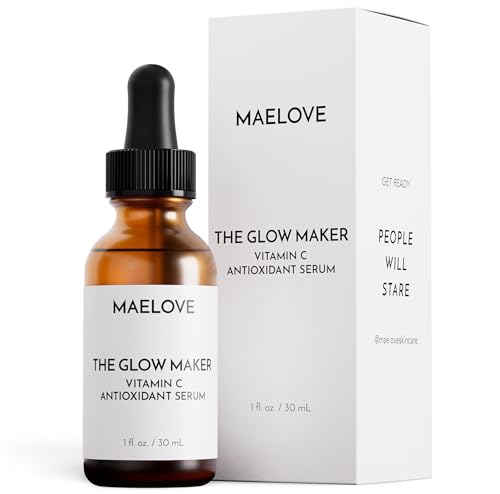
Maelove
Glow Maker Vitamin C Serum
15% vitamin C with ferulic acid and vitamin E. The cult drugstore-price antioxidant serum.
Best for: Mature skin with melasma + antioxidant defense
The tretinoin factor
Tretinoin accelerates cell turnover, helping fade existing melasma faster. Not pregnancy-safe, use azelaic acid during pregnancy. For non-pregnant melasma patients, tretinoin nightly is a cornerstone of treatment. Start at 0.025% strength and ramp up. Can be combined with any of the pigment serums above.
Curology
Custom Tretinoin Formula
$26/month telehealth tretinoin, can include azelaic acid.
Best for: Non-pregnant melasma patients
The complete melasma routine
Morning:
- Gentle cleanser
- Vitamin C serum (CEF or Maelove)
- Lytera 2.0
- Moisturizer
- Tinted mineral SPF with iron oxides (reapply every 2 hours in sun)
Evening:
- Gentle cleanser
- Tretinoin (if not pregnant) OR azelaic acid 10% (pregnancy-safe)
- Lytera 2.0
- Optional: Naturium Tranexamic Acid layered in
- Rich moisturizer
Pregnancy-safe melasma routine
Pregnancy-safe melasma treatment: 1) Mineral SPF with iron oxides (EltaMD UV Physical Tinted). 2) Azelaic acid 10% (both morning and night). 3) Vitamin C (L-ascorbic is pregnancy-safe). 4) Gentle cleanser + moisturizer. Skip: Tretinoin, retinoids, Lytera 2.0, salicylic acid. Post-delivery, can ramp up to full treatment protocol.
Pregnancy protocol:
- Mineral SPF: EltaMD UV Physical Tinted, SkinCeuticals Physical Fusion
- Azelaic acid: Naturium 10%, twice daily
- Vitamin C: CEF or Maelove
- Moisturizer: Augustinus Bader or CeraVe PM
Avoid during pregnancy:
- Tretinoin / retinoids
- Hydroquinone
- Lytera 2.0 (ingredients not fully tested in pregnancy)
- Salicylic acid > 2%
When to consider procedures
After 6 months of consistent topical treatment without satisfactory results, consider: Picosure laser (melasma-specific frequency), IPL (for vascular component), RF microneedling with post-procedure serums, or in-office chemical peel (TCA). Procedures should complement, not replace, topical treatment and daily SPF. Without SPF, procedures will fail.
Procedure options:
- Picosure laser ($500-1,000/session, 3-4 sessions): melasma-specific
- IPL / BBL ($300-700/session): for vascular contribution
- TCA peel (in-office): $300-700/session
- RF microneedling: $800-2,000/session
- Oral tranexamic acid (by prescription): 500-1,000 mg/day (cardiovascular considerations)
What not to do
Melasma mistakes: 1) Skipping SPF even one day (immediately retriggers). 2) Treating only pigmentation without sun protection (won’t work). 3) Rubbing or scrubbing the affected area (causes post-inflammatory hyperpigmentation). 4) Using hydroquinone long-term without breaks (rebound risk). 5) Expecting fast results (8-16 weeks minimum).
Avoid:
- Skipping SPF (even one day)
- Rubbing/scrubbing melasma spots
- Bleaching alone without other actives
- Expecting fast results
- Stopping treatment once it works (melasma returns)
Realistic timeline
- Weeks 0-4: No visible change
- Weeks 4-8: Subtle lightening
- Weeks 8-16: Measurable fading
- Months 4-6: Significant reduction
- Month 6-12: Full effect
- Ongoing: Maintenance required indefinitely
Melasma is managed, not cured.
Premium Beauty
The complete melasma stack
Premium Beauty products that deliver real melasma results.
CurrentBody
Under $500LED Light Therapy Face Mask Series 3
750 LEDs and 6 wavelengths, chosen in the MyDose app.
Buy on Amazon →Dr. Dennis Gross
Under $500DRx SpectraLite FaceWare Pro
Rigid shell. 100 red + 62 blue LEDs. Sephora's bestseller.
Buy on Amazon →Omnilux
Under $500Men LED Face Mask
Omnilux's in-stock flexible LED face mask (the Contour Face is out of stock on Amazon).
Buy on Amazon →Therabody
Under $500TheraFace PRO
Microcurrent, red light and percussive therapy in one handheld. Replaces three single-purpose gadgets.
Buy on Amazon →Therabody
Under $500TheraFace PRO
Red light + microcurrent + percussive + cleansing. Sci-fi gadget.
Buy on Amazon →Augustinus Bader
Under $500The Cream
TFC8 tech. The one celebrities keep talking about.
Buy on Amazon →Frequently asked
Will melasma ever fully go away? +
Sometimes, with consistent treatment + perfect sun protection. More often, it can be dramatically reduced but requires lifelong management. Relapse is common when treatment stops.
Is hydroquinone the best melasma treatment? +
Strongest single agent, but limits exist, max 4%, 8-12 week cycles to avoid rebound and ochronosis. Multi-pathway topicals (Lytera 2.0) can match hydroquinone over time with less risk.
Does melasma get worse with age? +
Usually stays stable or slowly improves with menopause (estrogen drop). During peri-menopause, hormonal fluctuations can trigger flares.
Can birth control cause melasma? +
Yes, especially combined hormonal birth control. Progestin-only or IUDs less likely. Discuss with OB-GYN if melasma flares on birth control.
Is blue light from phones causing melasma? +
High-energy visible light (including blue from devices) can contribute. Tinted mineral SPF blocks this. The contribution is real but typically minor compared to sun exposure.
Keep reading
All articles →sunscreen
Tinted Sunscreen for Pigmentation: What a 6-Week Timeline Looks Like
What to expect from six weeks of daily tinted mineral sunscreen for pigmentation, the iron oxide science, and why visible light matters more than UV.
sunscreen
Best Sunscreens for Melasma: Iron Oxide + High SPF Picks
Melasma needs more than UV protection. You need iron oxide for visible light. Here are the SPFs that actually help fade dark patches.
sunscreen
Chloasma (Mask of Pregnancy): The Complete Treatment Guide
Chloasma or 'mask of pregnancy' affects up to 70% of pregnant women. Here's the evidence-based prevention and treatment, during pregnancy and postpartum.
Premium Beauty
More Premium Beauty picks
If money isn't the object, these are our Premium Beauty favorites.
CurrentBody
Under $500LED Light Therapy Face Mask Series 3
750 LEDs and 6 wavelengths, chosen in the MyDose app.
Buy on Amazon →Dr. Dennis Gross
Under $500DRx SpectraLite FaceWare Pro
Rigid shell. 100 red + 62 blue LEDs. Sephora's bestseller.
Buy on Amazon →Omnilux
Under $500Men LED Face Mask
Omnilux's in-stock flexible LED face mask (the Contour Face is out of stock on Amazon).
Buy on Amazon →Therabody
Under $500TheraFace PRO
Microcurrent, red light and percussive therapy in one handheld. Replaces three single-purpose gadgets.
Buy on Amazon →Therabody
Under $500TheraFace PRO
Red light + microcurrent + percussive + cleansing. Sci-fi gadget.
Buy on Amazon →Augustinus Bader
Under $500The Cream
TFC8 tech. The one celebrities keep talking about.
Buy on Amazon →