Breastfeeding-Safe Skincare (What You Can + Can't Use)
Breastfeeding skincare safety, what passes through breast milk vs what doesn't. The honest list of what's OK and what to avoid while nursing.
Heads up: this post has affiliate links. We may earn a small commission if you buy something, at no extra cost to you. We only link to stuff we'd actually tell a friend about. Prices shown are approximate and change often; check the retailer for current pricing.
Breastfeeding-safe skincare: vitamin C, niacinamide, azelaic acid, hyaluronic acid, ceramides, peptides, mineral SPF, snail mucin, all safe. Debated but often allowed: low-concentration topical retinol (0.1% or less, OB-dependent), topical salicylic acid 2%, benzoyl peroxide. Avoid: high-concentration retinoids, hydroquinone, oral acne medications (spironolactone, oral retinoids). Most skincare is fine; specific contraindications are narrower than during pregnancy.
Breastfeeding skincare rules are less strict than pregnancy rules. Here’s the honest list of what’s safe and what to avoid. (Running the numbers on breastfeeding vs formula, childcare costs, or parental leave? ParentCalc, our portfolio’s free parenting calculator site, has all of those.)
How skincare absorbs through breast milk
Topical skincare absorption: most products applied to face and body absorb through skin into bloodstream in minimal amounts (less than 1% typically). Breast milk transfers only a fraction of what’s in bloodstream. Actual amount of topical skincare reaching baby through breast milk is tiny, but not zero. Risk-benefit calculation shifts by ingredient.
Absorption chain:
- Apply to skin (minimal absorption)
- Absorbed into bloodstream (small %)
- Transferred to breast milk (small fraction of bloodstream)
- Baby drinks milk (small fraction of what’s in milk)
Net exposure to baby is typically very small for topical products. But for specific ingredients (retinoids, hydroquinone), even small exposure warrants caution.
Breastfeeding-safe (fully approved)
Fully breastfeeding-safe skincare: vitamin C (L-ascorbic), niacinamide, hyaluronic acid, ceramides, peptides, azelaic acid, mineral sunscreens (zinc oxide, titanium dioxide), snail mucin, glycolic acid (low concentrations), bakuchiol. These are all safe during breastfeeding. Can continue your pregnancy routine or expand with these additions.
Fully safe:
- Vitamin C (L-ascorbic)
- Niacinamide
- Hyaluronic acid
- Ceramides
- Peptides
- Azelaic acid
- Mineral SPF (zinc, titanium)
- Snail mucin
- Glycolic acid (under 10%)
- Bakuchiol (plant retinoid alternative)
Debated (OB-dependent)
Breastfeeding skincare with debated safety: Low-concentration topical retinol (0.1% or less) (some OBs approve, others recommend waiting. Topical salicylic acid (under 2%)) generally considered safe. Benzoyl peroxide, OB-dependent (low-concentration topical usually OK). Chemical sunscreens, most OBs prefer mineral during nursing. Hydroquinone, most avoid until weaning.
Debated (check with your OB):
- Low-concentration retinol (0.1% or less)
- Salicylic acid (under 2% topical)
- Benzoyl peroxide (low concentration)
- Chemical sunscreens
- Hydroquinone (generally avoid)
Avoid during breastfeeding
Breastfeeding avoidance: Tretinoin, isotretinoin (Accutane), high-concentration retinol (above 0.3%), hydroquinone (insufficient safety data), oral acne medications (spironolactone, tetracycline antibiotics, oral retinoids), high-concentration chemical sunscreens, certain essential oils (sage, peppermint, affect milk supply). When in doubt, check specifically with your OB or lactation consultant.
Avoid:
- All strengths of tretinoin (most conservative)
- Oral isotretinoin (Accutane)
- Hydroquinone
- Spironolactone (oral, for hormonal acne)
- Oral tetracyclines (acne antibiotics)
- Certain essential oils (sage, peppermint, parsley, can affect supply)
Breastfeeding-safe luxury options

Augustinus Bader
The Cream
TFC8 signaling. Breastfeeding-safe.
Best for: Nursing mothers wanting luxury + safety
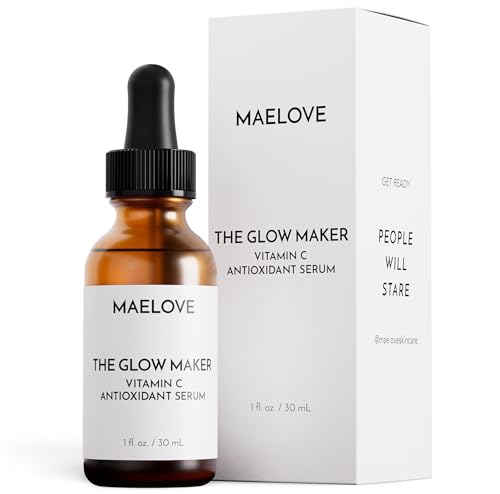
Maelove
Glow Maker Vitamin C Serum
15% vitamin C with ferulic acid and vitamin E. The cult drugstore-price antioxidant serum.
Best for: Morning antioxidant during breastfeeding

Timeless
20% Vitamin C + E Ferulic Serum
20% L-ascorbic acid with vitamin E and ferulic acid. A no-frills brightening antioxidant serum.
Best for: Postpartum barrier recovery
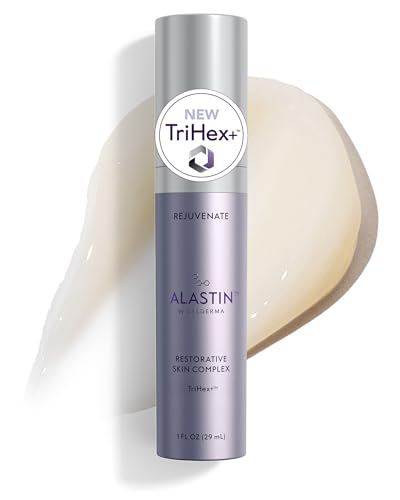
Alastin
Restorative Skin Complex
TriHex peptides. Breastfeeding-safe.
Best for: Postpartum anti-aging during breastfeeding
The breastfeeding-safe routine
Morning:
- CeraVe Hydrating Cleanser
- Vitamin C (CEF or Maelove)
- Azelaic acid (Naturium 10%), if acne or chloasma
- Optional: Peptide serum (Alastin Restorative Skin Complex)
- Moisturizer (Augustinus Bader, Triple Lipid Restore, or CeraVe PM)
- Mineral SPF (EltaMD UV Physical Tinted)
Evening:
- Cleanser
- Azelaic acid
- Snail mucin (optional hydration)
- Peptide serum
- Rich moisturizer (AB Rich Cream if very dry)
Nipple-specific safety
Nipple area skincare: apply only approved nursing creams (lanolin like Medela, coconut oil, Earth Mama products) to the nipple itself. Avoid: retinoids, AHAs, BHAs, essential oils, hydroquinone, these could be ingested by baby during nursing. Breast skin (not nipple) can use standard body moisturizer. Wipe nipples clean before nursing if any products have been applied to surrounding area.
Nipple rules:
- Apply only: lanolin, medical-grade nipple creams, approved nursing balms
- Avoid on nipple: all skincare actives, fragrance, essential oils
- Breast skin OK with: standard moisturizer, body SPF, stretch mark creams
- Before nursing: wipe nipple area clean if surrounding skin had products
Lactation and skincare interactions
Some skincare ingredients can affect milk supply: certain essential oils (sage, peppermint, parsley), large amounts of fenugreek (in herbal products), extreme caffeine consumption, dehydration. Maintain hydration + balanced diet + watch for supply changes if using new products. Most skincare doesn’t affect supply meaningfully.
Supply considerations:
- Can reduce supply: sage, peppermint, parsley oils in large amounts
- Can affect milk: extreme caffeine in skincare (rare)
- Watch for supply changes when introducing new products
- Hydration: critical during breastfeeding, supports both skin and milk
When to resume full routine
Resume full routine after: weaning is complete, period has returned (indicates hormonal normalization), and OB has cleared you. At that point, can restart tretinoin, hydroquinone, and oral acne medications if needed. For most women, this is 6-18 months postpartum depending on breastfeeding duration.
Post-weaning resumption:
- Tretinoin: start back at 0.025% (acclimation reset)
- Hydroquinone: cycles for melasma
- Spironolactone: for hormonal acne if indicated
- Aggressive exfoliation: AHA/BHA cycles
- Any procedure: microneedling, laser, peels
Premium Beauty
Breastfeeding-safe premium picks
Premium skincare safe throughout the nursing period.
CurrentBody
Under $500LED Light Therapy Face Mask Series 3
750 LEDs and 6 wavelengths, chosen in the MyDose app.
Buy on Amazon →Dr. Dennis Gross
Under $500DRx SpectraLite FaceWare Pro
Rigid shell. 100 red + 62 blue LEDs. Sephora's bestseller.
Buy on Amazon →Omnilux
Under $500Men LED Face Mask
Omnilux's in-stock flexible LED face mask (the Contour Face is out of stock on Amazon).
Buy on Amazon →Therabody
Under $500TheraFace PRO
Microcurrent, red light and percussive therapy in one handheld. Replaces three single-purpose gadgets.
Buy on Amazon →Therabody
Under $500TheraFace PRO
Red light + microcurrent + percussive + cleansing. Sci-fi gadget.
Buy on Amazon →Augustinus Bader
Under $500The Cream
TFC8 tech. The one celebrities keep talking about.
Buy on Amazon →Frequently asked
Can I use retinol while breastfeeding? +
Topical retinol absorption is minimal, but retinoids in general concern safety. Some OBs approve low-concentration (0.1% or less) topical retinol during breastfeeding. Others recommend waiting. Check specifically with your OB, not generic advice.
Can I get a facial during breastfeeding? +
Yes for most facials. Avoid: chemical peels with glycolic over 15% or TCA, hydroquinone-containing treatments, retinoid treatments. Fine: hydrating facials, LED facials, gentle exfoliation.
Is microneedling OK during breastfeeding? +
At-home microneedling (0.25-0.5mm) with breastfeeding-safe products: yes. In-office microneedling with growth factor/exosome treatments: discuss with provider, as these aren't fully studied in breastfeeding.
Can I use self-tanner while breastfeeding? +
DHA is generally considered safe topically. Avoid spray tan (inhalation). Use lotion/cream forms.
How do I know if my skincare affects my baby? +
Watch for: unusual fussiness, rash, unusual feeding patterns. Rare but possible with certain ingredients. Most skincare causes no baby issues.
Keep reading
All articles →guides
Postpartum Skincare: The Real Recovery Routine (2026)
Postpartum skincare for real, when to restart tretinoin, postpartum melasma, breastfeeding-safe products, and hormonal acne recovery. Honest timeline.
guides
Pregnancy Acne: The Complete Safe Treatment Guide
Pregnancy acne is common and treatable, but most acne products are off-limits. Here's the evidence-based pregnancy-safe acne routine that actually works.
guides
Pregnancy-Safe Skincare: The Complete Evidence-Based Routine
The pregnancy-safe skincare routine that actually works. Azelaic acid, vitamin C, mineral SPF, what to use, what to skip, and which expensive products.
Premium Beauty
More Premium Beauty picks
If money isn't the object, these are our Premium Beauty favorites.
CurrentBody
Under $500LED Light Therapy Face Mask Series 3
750 LEDs and 6 wavelengths, chosen in the MyDose app.
Buy on Amazon →Dr. Dennis Gross
Under $500DRx SpectraLite FaceWare Pro
Rigid shell. 100 red + 62 blue LEDs. Sephora's bestseller.
Buy on Amazon →Omnilux
Under $500Men LED Face Mask
Omnilux's in-stock flexible LED face mask (the Contour Face is out of stock on Amazon).
Buy on Amazon →Therabody
Under $500TheraFace PRO
Microcurrent, red light and percussive therapy in one handheld. Replaces three single-purpose gadgets.
Buy on Amazon →Therabody
Under $500TheraFace PRO
Red light + microcurrent + percussive + cleansing. Sci-fi gadget.
Buy on Amazon →Augustinus Bader
Under $500The Cream
TFC8 tech. The one celebrities keep talking about.
Buy on Amazon →